


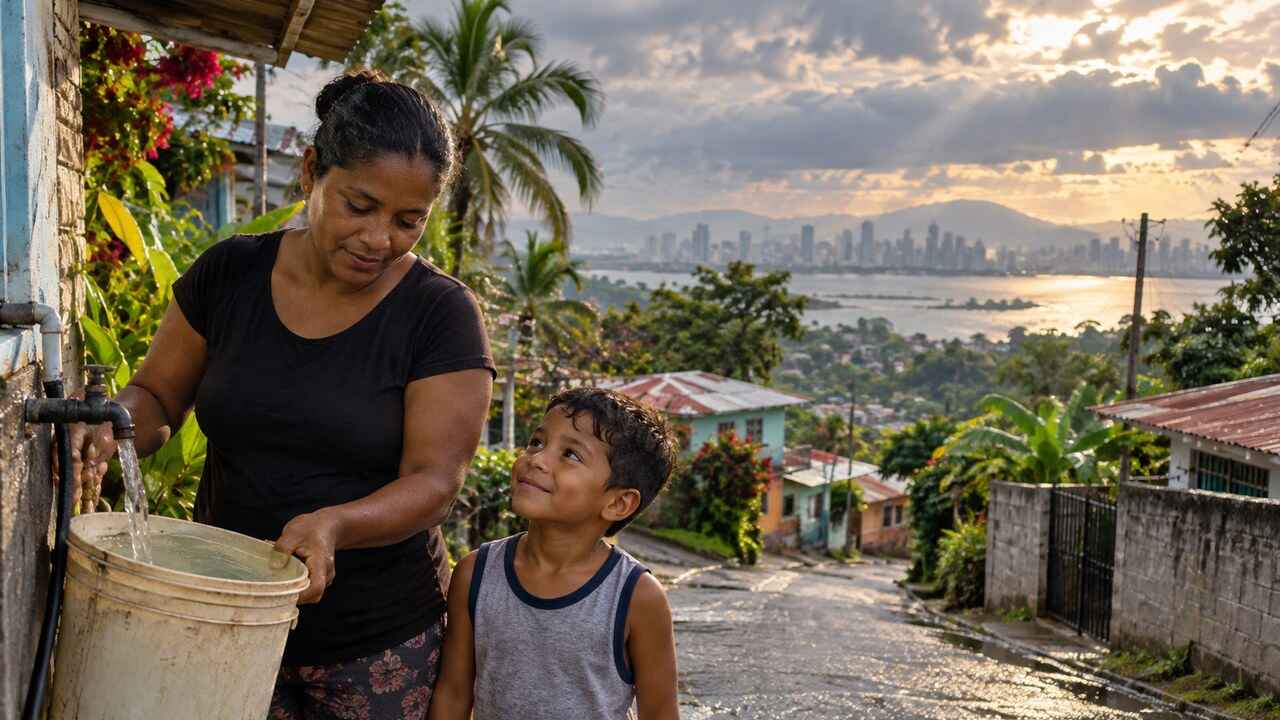
Panama is internationally known for the canal that connects the Atlantic and Pacific Oceans, but the country is much more than its shipping routes, trade, or economic importance. Alongside national prosperity are communities facing deep inequalities, Indigenous peoples and rural families with fewer services and opportunities, migrants moving through a changing regional system, and households increasingly concerned about water, climate pressures, and decisions that will shape their future.
Christianity has a deep and visible place in Panamanian society, and people are generally free to worship and express their faith. Yet visible Christian identity should never be confused with saving faith, mature discipleship, or faithful obedience to Christ. Panama needs churches that proclaim the gospel clearly, leaders who serve with integrity, believers whose lives display the holiness and mercy of Christ, and congregations that care faithfully for people who can easily be overlooked.
In August 2026, Panama declared a national emergency after flooding had already affected thousands of people and amid concerns linked to El Niño. The government has also warned that rainfall deficits may deepen in the months ahead. These pressures have made water stewardship an immediate national concern for homes, farms, vulnerable communities, public institutions, and the Panama Canal.
Prayer Burden at a Glance
- Faithful gospel witness and mature discipleship in a country where Christian identity is widespread but does not by itself demonstrate living faith in Christ.
- Families and communities facing inequality, especially Indigenous and rural populations with weaker access to services, opportunity, and economic security.
- Wise stewardship of water and the environment as Panama responds to flooding, possible drought conditions, and major long-term decisions about water supply.
- Integrity and justice in public life, including honest leadership and fair treatment of communities affected by development projects.
- Migrants, children, and border communities as movement through and around Darién continues to change.
- Churches that serve their neighbours well, joining faithful proclamation of Christ with practical mercy, family support, youth ministry, and care for vulnerable people.
Last verified: September 12, 2026
Why Panama Needs Prayer Now
Panama combines economic strength and international importance with deep spiritual need, unequal opportunity, and growing pressure around water and vulnerable communities.
Panama is a country of striking contrasts. Strong national infrastructure and economic growth can exist alongside serious hardship in particular communities. Prosperous urban life can stand close to deep rural and Indigenous disadvantage. Widespread Christian identification can coexist with the continuing need for conversion, biblical teaching, repentance, and mature discipleship.
Water has become one of the clearest present expressions of these wider pressures.
Flooding during 2026 affected thousands of people, including communities in Bocas del Toro, Colón, and Indigenous territories. On August 26, the government declared a national emergency connected with El Niño conditions. Official forecasts have also warned that rainfall shortages may become more serious later in 2026 and into 2027.
The eventual severity of those conditions remains uncertain, but the need for wise preparation is already clear. Drinking water, agriculture, livelihoods, electricity generation, vulnerable households, and major national infrastructure all depend on responsible stewardship.
Panama is also pursuing longer-term ways to strengthen water security. Plans connected with the Río Indio watershed may affect communities whose homes, land, livelihoods, and local ties could be disrupted. Ask God to grant wisdom so that genuine national needs are met without overlooking the dignity and rights of those who may bear the greatest costs.
Country Snapshot
A brief orientation to Panama’s economic setting, social inequalities, Christian context, religious freedom, and current national pressures.
Panama’s international importance is closely connected to trade, logistics, and the Panama Canal. That position has created opportunity and national income, but prosperity is unevenly shared. Rural and Indigenous communities continue to face substantial disadvantages in services, employment, social protection, and economic opportunity.
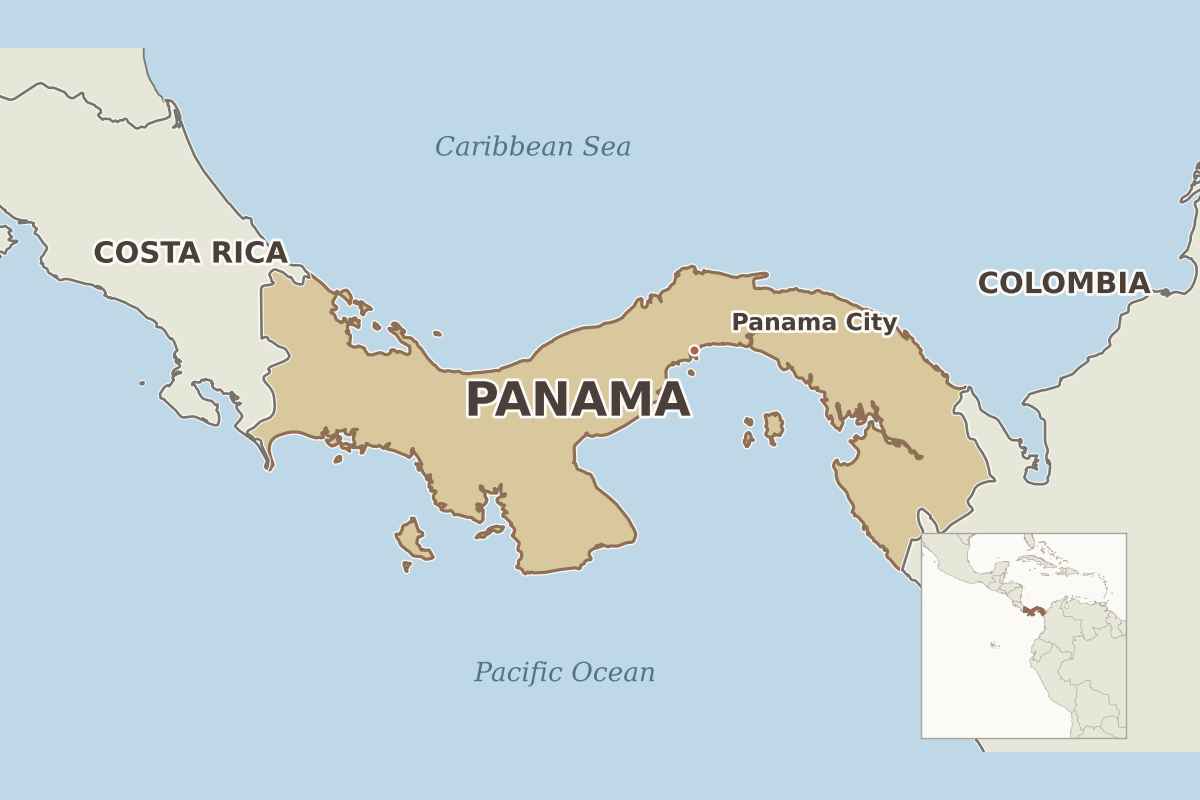
Panama also has a substantial historic Christian presence. Catholic and evangelical churches are widely established, and current assessments indicate broad freedom of worship and religious expression. This gives churches significant opportunities for evangelism, discipleship, mercy ministry, and public Christian witness.
The need, however, is not merely for Christianity to remain culturally visible. Panama needs churches and believers increasingly shaped by Scripture, the gospel, holiness, truth, compassion, and love for neighbour.
Spiritual and Practical Challenges Affecting Christians and Churches
Christian ministry in Panama takes place amid cultural Christianity, social inequality, concerns about integrity, pressures on families and young people, and changing migration through Darién.
Cultural Christianity without mature discipleship
Christianity is deeply established in Panama’s religious life, but inherited identity, church attendance, baptism, denomination, or cultural belonging cannot be assumed to mean saving faith.
Churches need pastors and teachers who faithfully proclaim the whole counsel of God, believers who know Scripture, families shaped by Christian truth, and congregations where repentance, faith, holiness, love, humility, and perseverance are taken seriously.
Pray that Christianity will not remain merely cultural or outward. Ask God to bring people to true faith in Christ and to help believers grow in grace and live as faithful disciples in their homes, churches, workplaces, and communities.
Inequality and overlooked communities
Economic growth has not benefited every part of Panama equally. Rural and Indigenous areas continue to face substantial disadvantages in services, employment, social protection, and opportunity.
Ask God to strengthen believers and churches serving these communities with patience, dignity, and long-term commitment. Pray for mature local leaders and for ministries that listen carefully to the people they serve rather than treating communities simply as recipients of outside help.
Integrity in public and church life
Panama has important civil freedoms and functioning public institutions, yet corruption, impunity, discrimination, and disputes over land and development remain significant concerns.
Pray for believers working in government, business, law, education, and public institutions to resist corruption and serve faithfully. Ask God also to make churches examples of the integrity they seek in society through accountable leadership, careful stewardship of money, truthfulness, and servant-hearted use of authority.
Families and young people
Churches in Panama have opportunities to strengthen families, support young people, help prevent crime, and serve communities under pressure.
Pray for congregations to protect children, strengthen marriages and households, guide young people away from violence and destructive influences, and provide trustworthy communities where practical love is joined to faithful gospel witness.
Migrants and border communities
Migration through Darién has changed sharply from the enormous northbound movements of earlier years. Northbound crossings have fallen considerably, while southbound and other movements continue.
The humanitarian burden has changed rather than disappeared. Migrants, including children and families, can still face insecurity, exploitation, and dangerous journeys, while coastal, border, and Indigenous communities may carry pressures created by changing routes.
Pray for responses that are both humane and orderly, protecting vulnerable people while recognizing the legitimate needs of local communities.
Christian Life and Witness in Panama
Religious freedom gives churches significant room to worship, evangelize, disciple believers, and serve their neighbours, making faithful use of that freedom an important prayer burden.
Panama’s religious freedom gives churches considerable room to worship, teach, evangelize, organize ministries, and serve their neighbours. This freedom is a gift for which Christians can give thanks, but it also brings responsibility.
Where churches can proclaim Christ openly, the central question is how faithfully they use that freedom.
Pray for biblical preaching that makes Christ and his gospel clear. Ask God for pastors who shepherd rather than exploit, congregations where Scripture shapes both belief and conduct, and believers whose public Christianity is matched by integrity in private life.
Remember especially churches outside Panama’s most prosperous communities. Rural congregations, churches serving Indigenous peoples, and ministries in places affected by poverty, migration, violence, or environmental pressures need faithful workers, mature local leaders, and long-term commitment.
There are also encouraging examples of churches seeking to serve beyond their own congregations through work with families, young people, crime prevention, and community support. Such service should never replace gospel proclamation, but practical love can strengthen Christian witness when it flows from biblical truth and genuine concern for neighbours.
Pray that Christians across Panama will be known not simply for religious identity but for love of Christ, faithfulness to Scripture, humility, integrity, mercy, and courage.
Recent Developments
Climate and water pressures, Canal stewardship, and changing migration patterns are especially important for understanding how to pray for Panama now.
-
August 26, 2026
National emergency amid El Niño concerns
Panama declared a national state of emergency after months in which flooding had already affected thousands of people. Government forecasts also warned that rainfall deficits could intensify later in 2026 and into 2027.
Prayer significance: The future severity and timing of these conditions remain uncertain. Pray for wise preparation rather than fear: for effective emergency response, protection of vulnerable communities, sufficient water, resilient livelihoods, and responsible stewardship of national resources.
-
September 2026
Water security and Canal stewardship
Reduced rainfall in the Canal watershed has required temporary operational adjustments, while Panama continues to pursue longer-term water-security plans involving the Río Indio watershed.
September also brought a leadership transition at the Panama Canal Authority, with Ilya Espino de Marotta taking office as administrator on September 7.
Prayer significance: Pray for wisdom, integrity, accountability, and fair treatment of families whose land or livelihoods may be affected as leaders make decisions about water, infrastructure, communities, and the country’s long-term resilience.
-
2026
Migration through Darién enters a different phase
The very large northbound movements associated with earlier years have fallen sharply, while southbound and other movements continue.
Prayer significance: Pray for protection from trafficking, violence, exploitation, and dangerous journeys; for policies that combine compassion with order; and for wisdom and provision for Panamanian communities affected by changing migration routes.
How to Pray
Pray for gospel fruit, faithful churches, wise stewardship, justice, mercy, integrity, and durable Christian witness across Panama.
-
Pray for the gospel to bear deep fruit. Ask God to bring people from inherited or nominal Christianity into genuine repentance and faith in Jesus Christ. Pray for Christians to grow in knowledge of Scripture, holiness, prayer, love, and faithful obedience.
-
Pray for faithful churches and pastors. Ask God to raise up humble, courageous shepherds who teach sound doctrine, protect their congregations, resist greed and abuse of authority, and equip believers for lives of faithful service.
-
Pray for communities facing climate and water pressures. Remember families already affected by flooding and those who may face greater water stress if drier conditions develop as forecast. Ask God for wise preparation, sufficient provision, resilient livelihoods, and effective emergency response.
-
Pray for wisdom and justice in Panama’s water decisions. Ask God to guide those responsible for water systems, the Canal, environmental policy, and major infrastructure. Pray that communities affected by projects such as Río Indio will be heard, treated honestly, compensated fairly where necessary, and protected from avoidable harm.
-
Pray for Indigenous and rural communities. Ask God for greater access to essential services, education, dignified work, healthcare, and opportunity. Pray for churches serving these communities to listen carefully, remain for the long term, raise up local leaders, and proclaim Christ faithfully.
-
Pray for integrity in public institutions, businesses, and churches. Ask God to restrain corruption, expose wrongdoing, strengthen accountability, and form leaders who regard authority as a responsibility to serve rather than an opportunity for personal gain.
-
Pray for migrants and border communities. Ask God to protect children and families from violence, trafficking, exploitation, illness, and despair. Pray also for wisdom and provision for Panamanian communities carrying the pressures of changing migration routes.
-
Pray for families and young people. Ask God to strengthen marriages and households, protect children, draw young people away from violence and destructive influences, and help churches provide trustworthy communities of discipleship, care, and hope.
-
Pray for Christian witness throughout society. Ask God to strengthen believers serving in education, government, business, healthcare, law, and community life. Pray that their conduct will commend the gospel through truthfulness, compassion, courage, justice, and humility.
Give Thanks
Panama’s needs are real, but Christians can also thank God for genuine freedoms, faithful service, mercy, and opportunities for gospel witness.
-
Give thanks for freedom to worship and witness. Many Christians in Panama presently have freedom to gather, worship, teach Scripture, evangelize, and serve their neighbours openly.
-
Give thanks for churches serving families and communities. Pastors, churches, and Christian ministries are seeking to strengthen families, support young people, and care for their communities.
-
Give thanks for believers serving beyond prosperous centres. Christians are serving Christ in rural, urban, Indigenous, and economically disadvantaged communities where ministry may receive little public attention.
-
Give thanks for opportunities to show practical mercy. Churches and believers have opportunities to care for migrants, vulnerable families, and communities facing social or environmental pressures.
-
Give thanks for biblically commendable fruit. Thank God for every evidence of integrity, responsible stewardship, neighbour-love, and faithful Christian service.
-
Give thanks above all for the gospel of Jesus Christ. The gospel offers hope deeper than national prosperity, institutional strength, political reform, or material security.
Last Verified / Update Note
This note helps readers understand when the guide was reviewed and which developments may affect how they use it for prayer.
Review Status
Reviewed for current prayer use
This Panama Prayer Guide was reviewed on September 12, 2026, using current Panamanian government and institutional sources, international humanitarian and development sources, independent governance reporting, Panamanian news reporting, and available church and religious-freedom material.
The review confirmed continuing needs for faithful gospel witness and mature discipleship; prayer for Indigenous, rural, and economically disadvantaged communities; integrity in public and church life; wise preparation for climate and water pressures; justice in major water-development decisions; compassionate care for migrants and border communities; and support for families and young people.
Panama remains under a national emergency associated with El Niño. Rainfall and water conditions may change significantly in the months ahead. Canal operating measures remain responsive to watershed conditions, the Río Indio project continues to advance, and migration patterns around Darién remain fluid.
Current official sources provide strong evidence for the El Niño emergency, Canal operations, leadership, and the government’s water-security response. Río Indio is also a contested development, so this guide distinguishes the Canal Authority’s stated plans from concerns raised by affected communities and other Panamanian voices. Exact religious-affiliation figures are older than the rest of the source base and are therefore used only as background rather than as precise 2026 statistics.
Help keep this guide accurate and current
If you noticed a possible correction, broken link, or significant country update, please contact the Nations Prayer Directory so we can review it carefully.
Key Sources Consulted
The main official, humanitarian, development, governance, religious-freedom, church, and national sources used to prepare and verify this guide.
Climate, emergency response, water, and the Panama Canal
- Presidency of the Republic of Panama — national emergency declaration concerning El Niño, August 26, 2026.
- Sistema Nacional de Protección Civil (SINAPROC) — El Niño emergency, preparedness, duration, and current official risk information.
- Panama Canal Authority — current El Niño and watershed analysis with IMHPA and the Smithsonian Tropical Research Institute.
- Panama Canal Authority — temporary operational measures responding to reduced precipitation in the Canal watershed.
- Panama Canal Authority — Ilya Espino de Marotta’s assumption of office as Canal administrator, September 7, 2026.
Río Indio and affected communities
- Panama Canal Authority — Río Indio project information and current community and land measures.
- La Prensa Panamá — reporting on Río Indio consultation, community opposition, resettlement, and compensation issues.
- Conferencia Episcopal Panameña — church engagement in dialogue between Río Indio communities and the Canal Authority.
Migration and humanitarian context
- International Organization for Migration, Displacement Tracking Matrix — Latin America and Caribbean mobility trends, January–June 2026.
- UNICEF Panama — humanitarian conditions affecting children on the move and communities affected by changing migration patterns.
Development, inequality, governance, and religious freedom
- World Bank — current Panama country overview and poverty and inequality evidence.
- Freedom House — Freedom in the World 2026: Panama.
- U.S. Department of State — 2023 International Religious Freedom Report for Panama, including the 2022 INEC religious-demography survey.
Church and community ministry context
Source Context
How to read the sources behind this guide in a climate-sensitive, migration-sensitive, water-security, religious-freedom, and development setting.
Source Context
- Climate and water. Panama’s August 26 national emergency is a confirmed government action. Statements about future rainfall, drought severity, or the timing of El Niño effects remain forecasts and are presented as such rather than as certain outcomes.
- Canal operations. The Canal Authority is the primary source for its own operating measures. Those measures can change as lake levels and weather forecasts change, so the guide avoids fragile transit-slot and vessel-draft figures.
- Río Indio. The Canal Authority is authoritative for the project’s official plans and actions but is also the project proponent. Panamanian media, affected-community concerns, and church-led dialogue therefore help provide a wider perspective. Published figures for people or families affected can differ because sources refer to different project stages, directly relocated households, or the wider watershed population; the guide avoids presenting one disputed or context-dependent figure as definitive.
- Migration. Darién movement has changed sharply from the extraordinary northbound flows of earlier years. IOM and UNICEF evidence supports describing the present pattern as much lower in northbound volume but more multidirectional, with continuing humanitarian risks. Migration figures may continue to change.
- Christian and religious context. Current evidence supports describing Panama as a country with broad religious freedom and a substantial Catholic and evangelical presence. The most useful detailed national affiliation figures located for this guide come from a 2022 INEC survey reported in the 2023 religious-freedom report, so the guide does not present those percentages as precise 2026 figures.
A Closing Prayer for Panama
A concise prayer gathering Panama’s principal spiritual, social, and national burdens before the Lord.


