


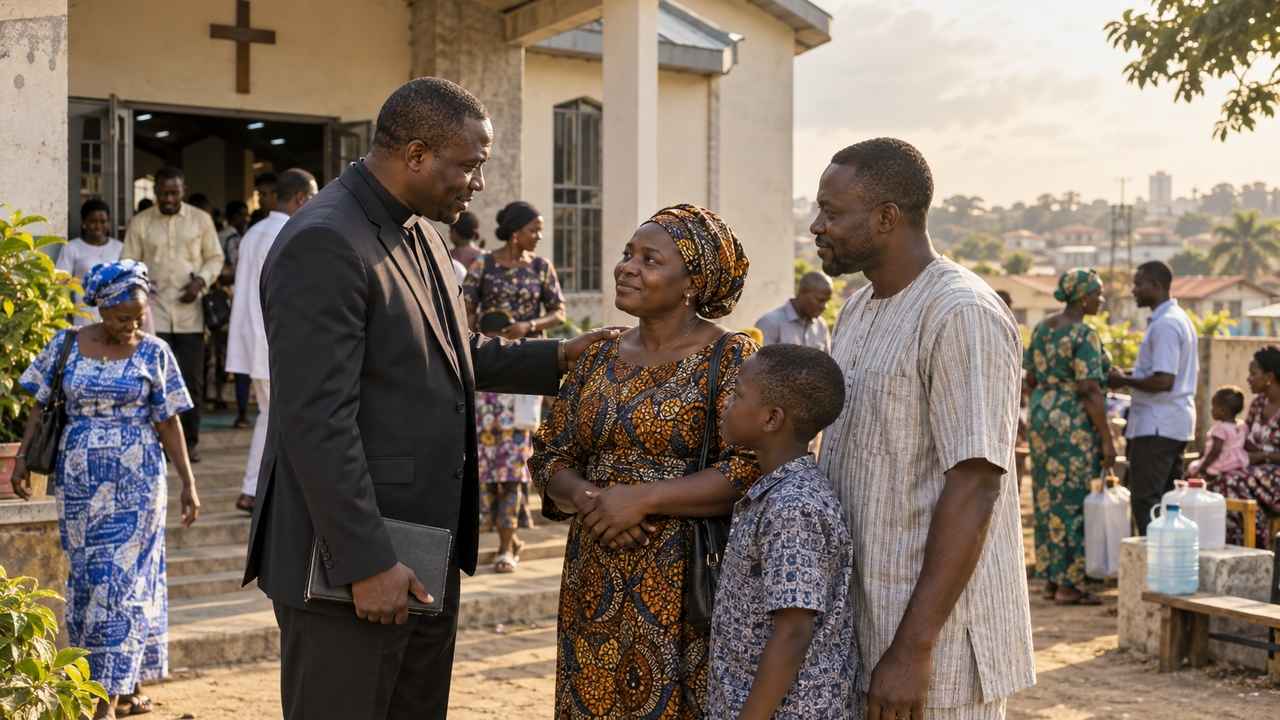
Nigeria calls for informed Christian prayer because many believers live where courage and hardship meet. In some places, churches gather under the shadow of kidnappings, armed violence, and local hostility. In others, the burden is carried through economic strain, fear, and the weariness of prolonged instability. Yet Nigeria should not be described only in terms of danger. It is also home to a large and living church. That is one reason Christians should pray with urgency, compassion, and hope: that the Lord would preserve His people, restrain evil, and cause the gospel to shine with greater clarity in a nation of great weight, influence, and need.
Prayer Burden at a Glance
Pray for protection from kidnapping and armed violence; for pastors, converts, families, and churches to remain faithful under pressure; for justice and wisdom among public leaders; and for families facing economic hardship, displacement, sickness, and cholera. Give thanks for Nigeria’s large and living church, and pray that the gospel would shine clearly through courageous, compassionate, and steadfast Christian witness.
Last verified: September 10, 2026
Why Nigeria Needs Prayer Now
Nigeria needs prayer for protection under pressure, justice and the restraint of evil, daily provision for struggling households, and steadfast grace so that Christ’s church may remain faithful, courageous, and fruitful.
Nigeria needs prayer now because insecurity continues to reach into ordinary life in ways that directly shape church life. In parts of the north and the Middle Belt, the country’s central region where many religious and ethnic communities meet, believers have faced kidnappings, armed attacks, displacement, and persistent fear. The burden is not identical in every state, and the country should not be reduced to a single headline. Still, for many Christians, worship, travel, schooling, farming, and public witness are all touched in some measure by instability.
The burden is also wider than violence alone. In some settings, especially where converts face sharper local hostility or where religious-freedom concerns remain serious, open Christian faith can become more costly. This pressure often falls most heavily on converts and on believers living in places where public suspicion of Christian witness runs deep. At the same time, economic hardship continues to weigh heavily on families and churches. These realities matter for prayer because they test not only physical safety, but also endurance, mercy, discipleship, generosity, and gospel witness.
Nigeria therefore needs prayer that is sober, specific, and hopeful. It needs prayer for protection under pressure, for justice and the restraint of evil, for daily bread for struggling households, and for steadfast grace so that Christ’s church may remain faithful, courageous, and fruitful.
Country Snapshot
A brief orientation to Nigeria’s location, national scale, government, religious setting, and the strongly local nature of many pressures affecting Christian life.
Nigeria is a federal republic in West Africa and the most populous country on the African continent. It is home to a vast and religiously significant population, with large Muslim and Christian communities spread across very different regions, cultures, and local conditions. The federal government is led by President Bola Ahmed Tinubu.
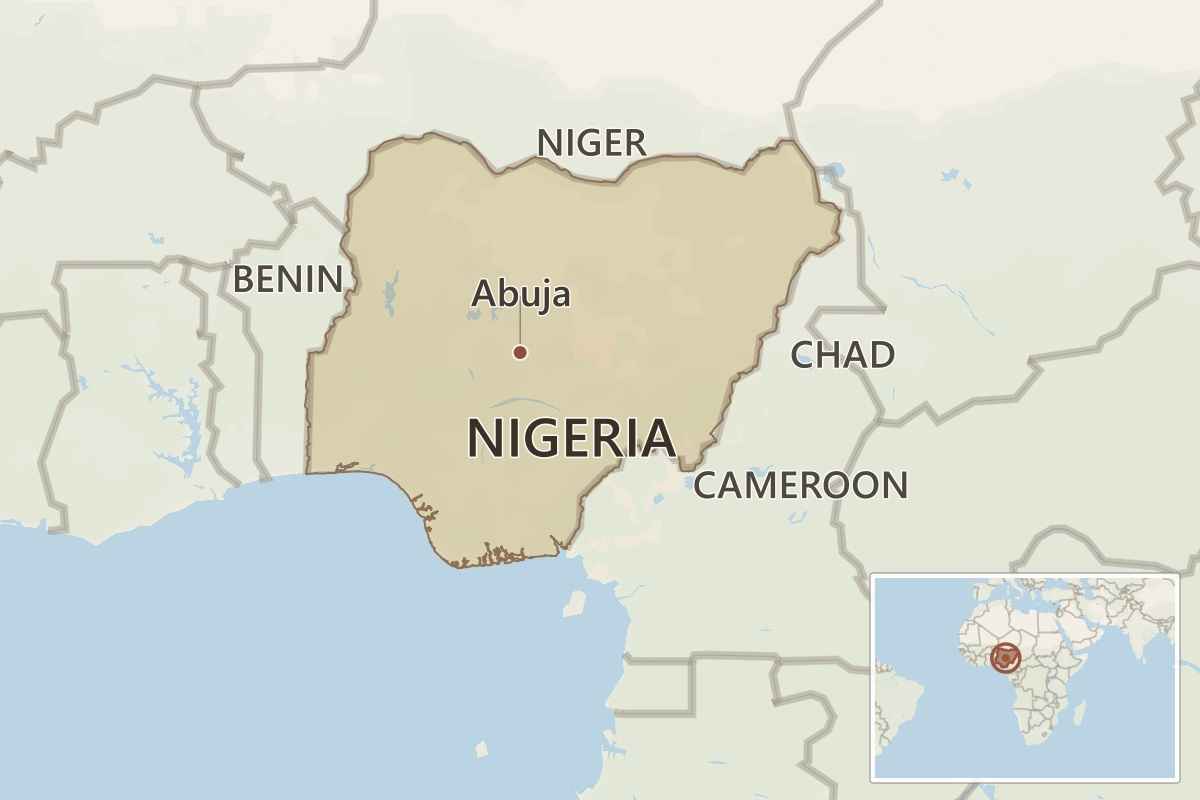
That scale matters for prayer. Nigeria is not a small or peripheral setting. It is a nation whose church life, public witness, and public pressures carry weight far beyond its borders. At the same time, the country should not be treated as though every place is the same. The realities facing believers in Lagos, Abuja, Kaduna, Plateau, Benue, or Borno can differ sharply. A faithful prayer brief must therefore hold together two truths at once: Nigeria’s national importance and the strongly local nature of many of its burdens.
Spiritual and Practical Challenges Affecting Christians and Churches
Violence and insecurity, social and legal vulnerability, and prolonged economic hardship can all make ordinary Christian faithfulness more difficult in parts of Nigeria.
Persistent violence and insecurity
One major pressure is persistent violence and insecurity. In some parts of northern Nigeria and the Middle Belt, Christians live with the danger of armed attacks, kidnappings, displacement, and the fear that ordinary routines can suddenly become dangerous. For some churches, this means worshiping under threat. For some families, it means grieving loss, weighing whether travel is safe, or trying to remain steadfast after repeated trauma.
Social and legal vulnerability
Another pressure is social and legal vulnerability in places where open Christian faith can bring suspicion, exclusion, or sharper local pressure. This can weigh especially heavily on converts from Muslim backgrounds, on believers in mixed communities, and on churches trying to bear public witness without inviting retaliation. The burden is not uniform across the country, but in some settings it makes discipleship more costly, more fragile, and at times more lonely.
Economic hardship amid long instability
A third pressure is economic hardship amid long instability. Even where believers are not facing direct attack, poverty, inflationary strain, fragile livelihoods, and weak public services can wear families down. Churches may be called to care for needy members while also trying to sustain worship, discipleship, and witness. This may not carry the same immediate drama as an armed attack, but it is still a serious burden. It tests endurance, generosity, hope, and the ability of congregations to keep serving faithfully under prolonged strain.
Taken together, these pressures mean that many Nigerian Christians are not only asking how to stay safe, but how to remain faithful. They need grace to endure, wisdom to love their neighbors well, courage to bear witness to Christ, and strength to continue in ordinary obedience under heavy strain.
Christian Life and Witness in Nigeria
Christian life in Nigeria varies greatly by place, but many believers need courage, pastoral care, faithful fellowship, and grace to continue worshiping and serving under prolonged strain.
For many Christians in Nigeria, faithfulness is lived out under uneven but very real strain. In some places, especially in parts of the north and the Middle Belt, believers gather for worship knowing that churches, roads, schools, and villages can all be touched by violence, kidnapping, or sudden fear. This does not mean every congregation lives under the same immediate threat. It does mean that, for many believers, ordinary Christian life is carried out with a level of watchfulness that outsiders may not fully see.
In such settings, the burden is often deeply practical. Pastors must shepherd congregations that are anxious, grieving, or weary. Families may have to think carefully about travel, schooling, farming, and public visibility. Churches continue to worship, disciple, and serve, yet they may do so while carrying the memory of attacks, displacement, or repeated insecurity. The pressure is not always dramatic every day, but it can be steady, exhausting, and deeply formative.
For some believers, the cost of following Christ is even more personal. Converts from Muslim backgrounds and Christians living in areas of sharper local hostility may face rejection, suspicion, or painful isolation. In those settings, discipleship can require quiet courage: remaining faithful to Christ, staying rooted in the church, refusing bitterness, and continuing in truth and love when obedience is costly.
Yet this picture should not end in darkness alone. Nigeria is also home to a large and resilient Christian community. The church is not absent, silent, or extinguished. Believers continue to worship, serve, preach, pray, and bear witness. That reality does not erase the burden, but it does remind us that the Lord is preserving His people there. Nigeria’s Christians need prayer not only as sufferers, but also as servants of Christ seeking to remain faithful in hard places.
Recent Developments
Recent kidnappings, continuing security threats, economic pressure, and the 2026 cholera outbreak show why Nigeria’s present prayer burden remains immediate.
-
January 2026
More than 150 worshippers abducted from churches in Kaduna State
Gunmen abducted more than 150 worshippers from three churches in Kaduna State during Sunday services. The significance of the incident was not only its scale. It also showed how directly church life can still be struck by insecurity, and how worship itself can become a place of danger for ordinary believers.
Prayer significance: Pray for protection for worshippers, churches, families, and communities exposed to kidnapping and armed violence.
-
April 2026
Security forces went on high alert over planned attacks
Authorities went on high alert over intelligence pointing to planned major attacks on key infrastructure. Developments like these do not mean that every part of Nigeria is under identical conditions, but they reinforce the reality that instability remains a serious national burden that continues to shape how many Christians live, gather, travel, and pray.
Prayer significance: Pray for planned attacks to be prevented, for ordinary people to be protected, and for security authorities to act with wisdom and restraint.
-
2026
Economic hardship continued to press on families and churches
Nigeria has continued to carry economic hardship that presses on families and churches alike. Even where there are signs of broader stabilization, many households still feel the weight of fragile livelihoods, high costs, and prolonged uncertainty. For Christians, the need is not only for protection from attack, but also for endurance, daily provision, and grace to remain generous and faithful under strain.
Prayer significance: Pray for daily provision, patient endurance, wise stewardship, and churches able to care for people in need.
-
August 2026
Cholera deepened the humanitarian burden
By August, Nigeria was experiencing the largest reported cholera outbreak in West and Central Africa. Tens of thousands of cases and hundreds of deaths had been reported during 2026, with Borno among the areas facing a major outbreak. Cholera has added to the suffering of families already living with conflict, displacement, malnutrition, poor access to clean water, and limited health care.
Prayer significance: Pray for vulnerable children and families, health workers, effective treatment, clean water, and churches serving communities in distress.
-
August 2–11, 2026
Church attack in Enugu State led to abductions and later releases
On August 2, armed men attacked St Joseph’s Church in Inoyi-Affa, Enugu State, during Sunday Mass and abducted three people. One escaped, and the remaining two were later released. The attack reflects the wider insecurity that continues to expose churches, Christian workers, families, and other communities to kidnapping and armed violence.
Prayer significance: Pray for protection, justice, healing for those who have suffered trauma, restraint of violent groups, and wisdom for those responsible for public safety.
Taken together, these developments help explain why prayer for Nigeria should be both sober and hopeful. The country’s burdens are serious and immediate, yet the church remains present, active, and in need of grace for steadfast witness now.
How to Pray
Pray for protection, faithful churches, vulnerable believers, justice, daily provision, mercy in sickness, and clear gospel witness.
-
Pray that God would protect believers, pastors, and congregations in parts of northern Nigeria and the Middle Belt where worship, travel, and daily life are overshadowed by kidnappings, armed attacks, and persistent fear. Ask Him to be a refuge to the vulnerable and to preserve His people in steadfast faith.
-
Pray that the Lord would strengthen church leaders to preach Christ faithfully, shepherd wisely, and comfort the grieving with truth, patience, and courage rather than fear, bitterness, or despair.
-
Pray for Christians who face pressure because of their faith, including those living under social hostility, legal vulnerability, or deep local suspicion. Ask God to grant them holiness, wisdom, and quiet boldness in witness.
-
Pray especially for converts from Muslim backgrounds and for other believers whose obedience to Christ may bring rejection from family or community. Ask God to keep them firm in faith, surround them with faithful fellowship, and mature them in grace.
-
Pray that God would restrain evil, expose corruption, and give Nigeria’s national and local authorities greater justice, honesty, and practical wisdom in protecting ordinary people, responding rightly to violence, and serving the common good.
-
Pray for families facing economic hardship, sickness, and displacement. Ask God to provide for households under severe financial pressure, protect people affected by cholera and other disease outbreaks, strengthen health workers, and give churches wisdom and resources to care for sick, displaced, and vulnerable people with compassion and practical help.
Give Thanks
Nigeria’s burdens are serious, but there is also reason to thank God for churches and believers who continue to worship, serve, endure, and bear witness.
-
Give thanks that the Lord has preserved a large and living church in Nigeria, and that many believers continue to worship, witness, and endure under real pressure rather than falling silent.
-
Give thanks for the courage of pastors, churches, and ordinary Christians who continue in prayer, discipleship, mercy, and public witness even where fear and instability remain real.
-
Give thanks for every sign of God’s restraining mercy and common grace, including any genuine easing of economic pressure, every life spared from attack, and every opportunity believers still have to serve their neighbors with truth, compassion, and faithful love.
Last Verified / Update Note
This note helps readers understand when the guide was reviewed and which developments may affect how they use it for prayer.
Review Status
Reviewed and updated for current prayer use
This September review retained the guide’s established prayer burden while checking developments since August 3, especially humanitarian conditions, security affecting churches and communities, and the most time-sensitive sources supporting those developments.
Pray for protection from kidnapping and armed violence; courage and endurance for pastors, churches, converts, families, and other vulnerable believers; justice and wisdom for public leaders; provision for displaced and economically strained families; and an effective response to cholera, including clean water, treatment, protection of vulnerable children, and strength for health workers.
The course of the cholera outbreak and humanitarian response, together with continuing kidnappings and attacks affecting communities, Christian workers, and places of worship.
Humanitarian totals and details of security incidents can change quickly. Nigeria’s violence also has overlapping criminal, communal, insurgent, religious, political, and local causes. This guide therefore names violence affecting Christians and churches without assigning a religious motive where the available evidence does not establish one.
Help keep this guide accurate and current
If you noticed a possible correction, broken link, or significant country update, please contact the Nations Prayer Directory so we can review it carefully.
Key Sources Consulted
Sources used to verify Nigeria’s government, humanitarian conditions, economic pressures, religious-freedom context, Christian-pressure concerns, and recent security developments.
Nigerian official sources
- Nigeria Centre for Disease Control and Prevention. “An update of Cholera outbreak in Nigeria.” Used to confirm that cholera remained under active national surveillance during the September review.
- State House, Abuja. “Bola Ahmed Tinubu (GCFR).” Used to verify the current President of the Federal Republic of Nigeria.
- State House, Abuja. “Nigeria stands firmly as a democracy governed by constitutional guarantees of religious liberty.” Used for the Nigerian government’s stated position on religious liberty and the security violence affecting communities across faiths.
Humanitarian and economic sources
- UNICEF. “As cholera spreads across borders in West and Central Africa, UNICEF calls for urgent action to protect millions of children.” Used for the scale and regional context of Nigeria’s 2026 cholera outbreak.
- UNICEF. “Nigeria Humanitarian Situation Report (Cholera Response), July–August 2026.” Used for the humanitarian effects of the cholera outbreak and the vulnerability of affected communities.
- World Bank. “Nigeria Development Update — April 2026 Edition.” Used for economic conditions, including continuing pressure on household incomes and high poverty despite improving macroeconomic indicators.
Religious freedom and Christian-pressure context
- U.S. Commission on International Religious Freedom. “Nigeria Country Update.” Used for religious-freedom concerns, blasphemy-law context, and violence involving insurgent and bandit groups.
- Open Doors. “Nigeria.” Used for Christian-pressure and persecution context affecting believers in Nigeria.
- Open Doors. “The 2026 World Watch List.” Used alongside the Nigeria country profile for current comparative Christian-pressure context.
- Pew Research Center. “5 facts about religion in Nigeria.” Used for religious-composition background and broader context concerning religious hostility and violence affecting different communities.
Current security and church-related reporting
- Associated Press. “Gunmen abduct over 150 worshippers from 3 churches in Nigeria.” Used for the January 2026 coordinated church kidnappings in Kaduna State.
- Associated Press. “Nigerian security forces on high alert for large-scale attack on airport and prison, memo says.” Used for the April 2026 national-security alert.
- Premium Times. “Gunmen invade Catholic church, abduct three.” Used for the August 2 attack at St Joseph Catholic Church in Inoyi-Affa, Enugu State.
- Agenzia Fides. “Seminarian and lay faithful kidnapped in attack on St. Joseph’s Church released.” Used to confirm the later release of the two remaining captives from the August 2 attack.
Source Context
How to read the humanitarian, security, religious-freedom, demographic, and Christian-pressure sources behind this guide.
Source Context
- Humanitarian figures. Cholera totals change as surveillance reports are updated. The guide therefore describes the scale of the outbreak without relying on one numerical total as though it will remain current.
- Security and religious motive. Nigeria’s insecurity cannot always be reduced to one cause. Government sources stress that armed violence affects Nigerians of different faiths, while religious-freedom and Christian organizations document severe violence and pressure affecting Christians in particular areas. The guide reflects both realities by distinguishing verified attacks on Christians and churches from claims about motive that require stronger evidence.
- Religious-composition data. Nigeria has not produced recent census data on religious affiliation. Pew Research Center’s figures are estimates derived from demographic survey data and are used as background rather than as a precise current census count.
- Source selection. Older sources remain in this list where they continue to support unchanged parts of the guide. The September review adds only the sources needed to support the new cholera and August security material.
A Closing Prayer for Nigeria
A prayer for Nigeria’s people, churches, vulnerable believers, leaders, and families facing violence, sickness, displacement, and economic strain.


