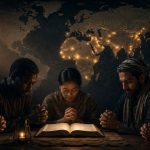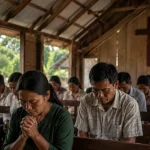


Christian faith is highly visible in the Philippines, and churches have broad freedom to worship, preach, serve their communities, and take part in public life. Yet widespread Christian identity does not by itself mean that individuals know Christ, understand Scripture, or follow Him faithfully. One of the country’s deepest prayer needs is therefore that visible Christianity would be accompanied by repentance, genuine faith, biblical discipleship, holiness, mercy, and lives shaped by the gospel.
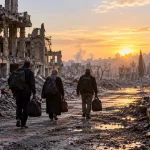
The Philippines also carries serious practical burdens. Communities continue to recover from destructive earthquakes and flooding. Many households are again feeling the pressure of higher living costs. Major corruption investigations and constitutional proceedings are testing public trust. In the Bangsamoro region, the first regular parliamentary election has now been held and the first elected Parliament has been officially proclaimed within a peace process that is still unfinished. Tensions in the West Philippine Sea also require restraint and wise diplomacy.
Yet the Philippines should not be seen only through its difficulties. Churches and Christian ministries serve throughout the country, religious freedom is substantial, and believers have many opportunities to make Christ known and care for their neighbors. Christians should pray that these freedoms produce deeper and more lasting spiritual fruit.
Prayer Burden at a Glance
Pray that widespread Christian identification would be accompanied by genuine faith in Christ, biblical discipleship, holy living, and faithful teaching of God’s Word. Pray for peace and trustworthy government in Bangsamoro, recovery for disaster-affected families, integrity in public institutions, provision for households under economic pressure, and restraint in regional disputes. Ask God to strengthen churches to serve people across religious, political, and social divisions with courage, compassion, truth, and humility.
Last verified: September 16, 2026
Why the Philippines Needs Prayer Now
Widespread Christian identity gives the Philippines unusual opportunities for gospel witness, but the deeper need is for genuine faith, mature discipleship, faithful churches, public integrity, and mercy toward people carrying serious national pressures.
Christian identity is widespread in the Philippines. Roman Catholic identification remains dominant, alongside many Protestant, evangelical, independent Christian, and other religious communities. Islam is also an important part of national life, especially in the Bangsamoro region.
This creates great opportunities for Christian witness, but also a particular spiritual challenge. Christian language, ceremonies, church attendance, family heritage, or denominational identity must not be confused with being reconciled to God through Christ. Churches need to call people clearly to repentance and faith, and then patiently help believers grow through Scripture, prayer, fellowship, obedience, and service.
That discipleship should shape ordinary life. Christian profession should be visible in family relationships, work, business, public service, care for the poor, and the way believers respond to corruption, disaster, and political division.
The country also faces demanding national pressures. Repeated disasters leave families grieving, displaced, or rebuilding. Higher prices weigh heavily on poorer households. Corruption allegations and political accountability proceedings affect confidence in public institutions. In Mindanao, a long peace process has entered a new stage through the September 14 election and the proclamation of the first elected Bangsamoro Parliament.
The Philippines therefore needs prayer for churches that preach Christ clearly, believers whose lives reflect the gospel, leaders who govern justly, and communities where mercy and peace overcome corruption, violence, fear, and division.
Country Snapshot
A brief orientation to the Philippines’ population, leadership, religious context, Bangsamoro transition, and current economic setting.
The Philippines combines considerable religious freedom and Christian opportunity with serious needs for discipleship, integrity in public life, economic resilience, peacebuilding, and disaster preparedness.
According to the Philippine Statistics Authority’s 2024 census population count, the country had approximately 112.7 million people. The agency’s 2020 religious-affiliation census recorded about 78.8% of the household population as Roman Catholic and 6.4% as Muslim, alongside Iglesia ni Cristo and numerous Protestant, evangelical, independent Christian, and other communities.
The Constitution protects religious profession and worship and prohibits the establishment of religion. The normal Christian burden is therefore not nationwide prohibition of worship, but the faithful use of substantial religious freedom for clear gospel teaching, discipleship, mercy, and public integrity.
Spiritual and Practical Challenges Affecting Christians and Churches
Churches face the challenge of deep discipleship in a strongly Christian-identified society while serving communities affected by corruption, disasters, unfinished peacebuilding, and intimidation of some religious workers and advocates.
Moving from Christian identity to Christian discipleship
Because Christianity is familiar to much of the population, churches have the difficult task of helping people understand that Christian identity is not the same as knowing Christ. Pastors and congregations need wisdom to teach Scripture faithfully without allowing Christianity to become mainly family tradition, ceremony, social respectability, nationalism, or political affiliation. Churches need to cultivate repentance, prayer, biblical knowledge, holiness, evangelism, love of neighbor, and patient discipleship.
Integrity in public and economic life
Current corruption investigations highlight a wider challenge for Christian witness. When public funds meant for roads, flood protection, relief, schools, health care, or other services are stolen or misused, poorer communities often bear the cost. Christians serving in government, business, engineering, law, education, media, and civil society need courage to resist bribery, patronage, dishonesty, and misuse of power. Churches also need to teach public integrity without becoming attached to particular political parties or personalities.
Repeated disasters place long-term pressure on communities
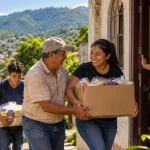
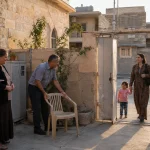
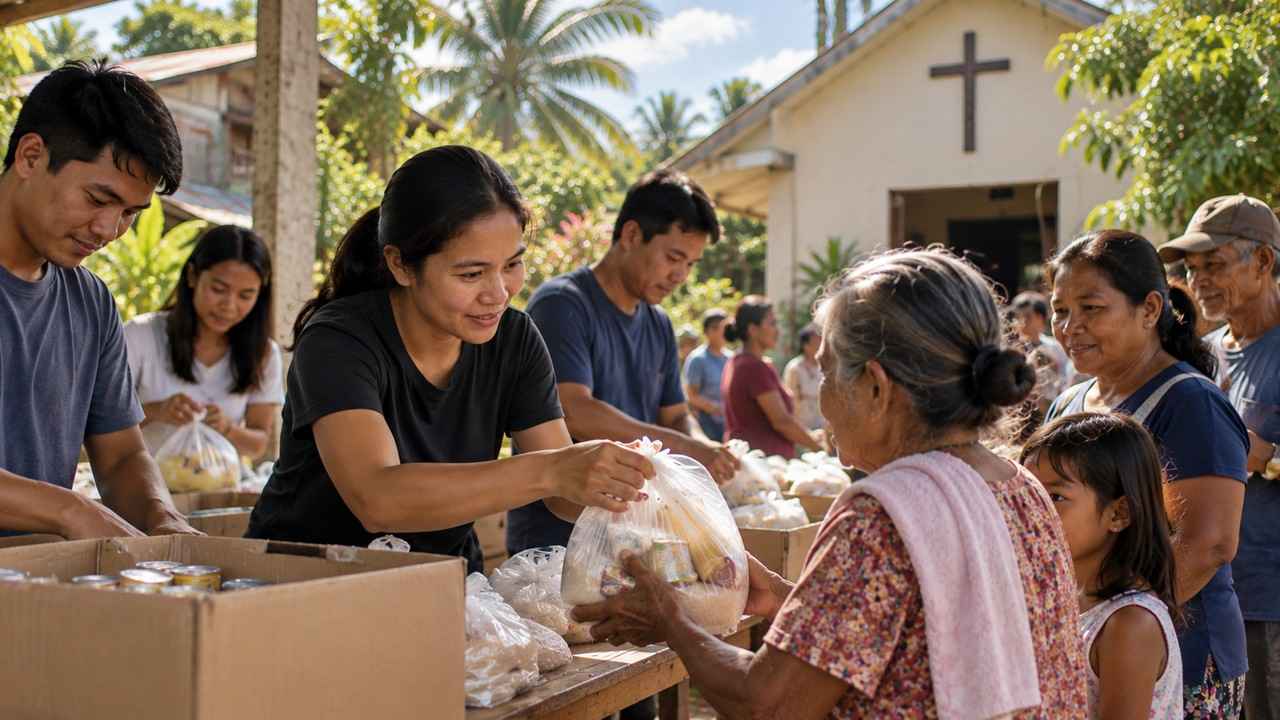
Earthquakes, typhoons, monsoon rains, floods, landslides, and volcanic hazards repeatedly affect communities across the Philippines. Recovery can continue long after the first emergency has passed. Churches often help with food, shelter, pastoral care, rebuilding, and support for affected families. They need resources and endurance to keep serving after public attention has moved elsewhere.
Peacebuilding remains unfinished in Mindanao
The Bangsamoro peace process has created real opportunities to move beyond decades of insurgency and conflict. Yet political rivalry, clan tensions, security concerns, displacement, and unfinished normalization still affect parts of Mindanao. Christian communities need grace to live faithfully among Muslim and Indigenous neighbors without fear, hostility, compromise, or contempt. People from every community need protection from coercion and political violence.
Some religious workers and advocates face intimidation
The Philippines should not be described as a country where Christians generally face persecution. Nevertheless, the country’s Commission on Human Rights has warned that red-tagging remains a serious problem. Religious workers and other advocates have at times been publicly accused of links with insurgent or terrorist movements without adequate due process. Pray that authorities will confront genuine violence lawfully while protecting innocent people from reckless accusation, intimidation, and abuse.
Christian Life and Witness in the Philippines
Religious freedom gives churches substantial opportunities for worship, gospel preaching, discipleship, mission, relief work, and public service.
Religious freedom gives churches significant opportunities. Congregations can gather openly, preach the gospel, train leaders, conduct missions, serve communities, organize relief work, and contribute to public life.
Evangelical networks have emphasized disciple-making, prayer, missions, church health, leadership development, and community service. Christian relief ministries also work through local congregations when disasters strike.
These freedoms are both a privilege and a responsibility.
Christian witness becomes more credible when believers are known not only for religious language but also for honesty at work, faithfulness in family life, care for the poor, mercy toward disaster victims, fairness toward people of other religions, and courage in resisting corruption.
Pastors and churches also need discernment in a politically divided society. Christians should not withdraw from questions of justice, but neither should the gospel be turned into a tool for advancing a candidate, political dynasty, party, or faction.
Mindanao gives particular importance to relationships across religious lines. Christian witness there should remain clear about Christ while also showing patience, neighbor-love, justice, peace, and respect for the dignity of Muslim, Indigenous, and other communities.
The prayer is not simply that Christianity remain publicly visible, but that churches increasingly display the character of Christ in their teaching, worship, discipleship, mercy, integrity, and mission.
Recent Developments
The most important current developments for prayer involve the Bangsamoro transition, disaster recovery, public accountability, and continuing maritime tension.
-
September 14–16, 2026
First elected Bangsamoro Parliament proclaimed after historic vote
Voters across the Bangsamoro Autonomous Region in Muslim Mindanao took part in the region’s first regular parliamentary election on September 14. On September 16, the Commission on Elections Regional Board of Canvassers officially proclaimed the members of the first elected Bangsamoro Parliament after completing the regional canvass. For the 40 regional party-representation seats, the Bangsamoro Federalist Party secured 16 seats, the United Bangsamoro Justice Party 15, the BARMM Grand Coalition eight, and the Raayat Democratic Party one. The Bangsamoro Government’s official report states that the new Parliament is due to assume office on October 30, while GMA News reporting on the COMELEC canvass records the same party-seat allocation. The elected Parliament will choose the region’s chief minister, so this guide does not infer the final governing arrangement or chief minister before that process is completed.
Prayer significance: Pray for the peaceful and lawful resolution of any remaining electoral disputes, for integrity and restraint as the new Parliament prepares to assume office and form the regional government, and for its members to serve Muslim, Christian, Indigenous, settler, and other communities with justice, humility, and concern for the common good.
-
June–August 2026
Recovery from earthquake and flooding
The June 8 offshore Sarangani earthquake caused deaths, injuries, displacement, and extensive damage to homes in Mindanao. Later monsoon rains brought severe flooding and landslide danger to other parts of the Philippines, with PAGASA reporting unusually heavy late-August rainfall.
Prayer significance: Pray for compassionate relief, patient rebuilding, effective emergency preparation, and honest use of funds intended to protect vulnerable communities.
-
September 2026
Public accountability and constitutional proceedings
Investigations into alleged corruption involving flood-control projects have advanced into criminal proceedings. Former House Speaker Martin Romualdez was arrested and charged with plunder over alleged kickbacks; he denies wrongdoing, and responsibility remains for the courts to determine. Associated Press reporting provides current context. Vice President Sara Duterte is separately facing an active impeachment trial involving allegations she disputes; the Supreme Court’s August 5, 2026 press briefer records the relevant procedural context.
Prayer significance: Pray for truth, impartial justice, due process, respect for constitutional order, and public officials who handle authority and public resources faithfully.
-
September 2026
Continuing tension in the West Philippine Sea
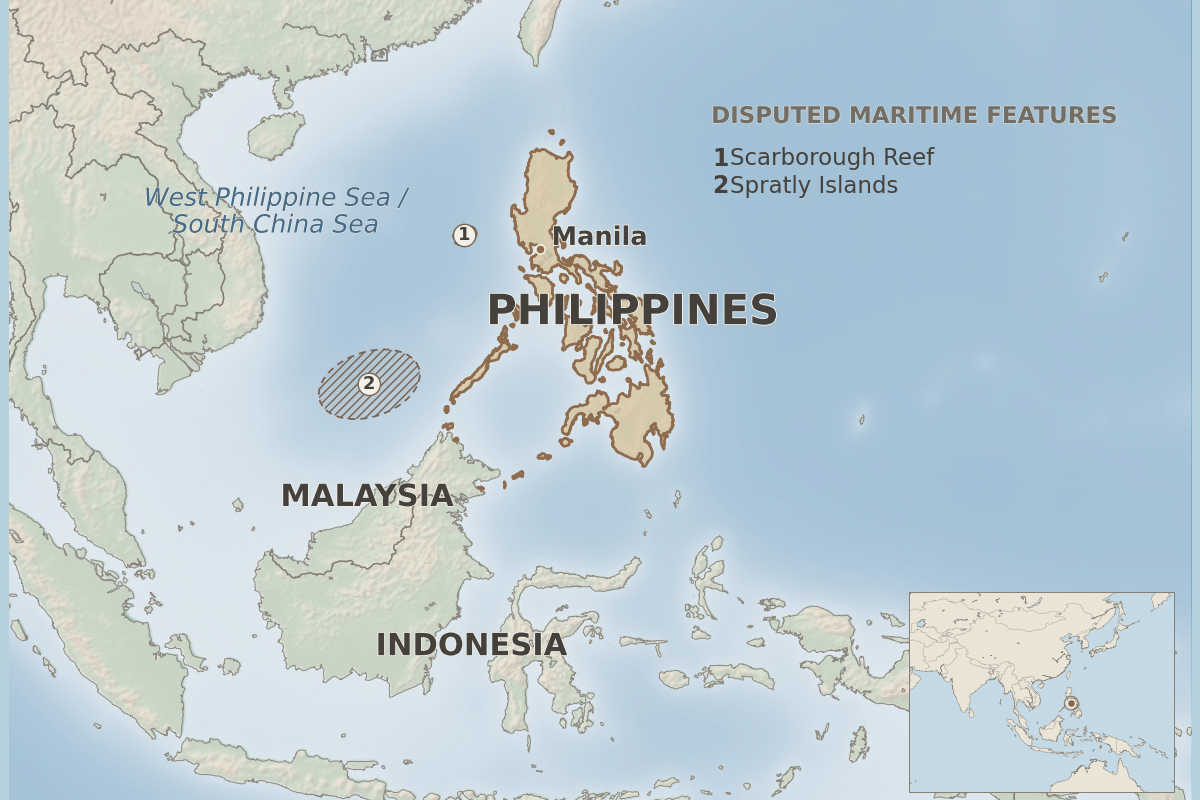
The Philippines continues to assert maritime rights with reference to international law and the 2016 arbitral award. The Philippine government’s position relies on the award and peaceful legal means. China’s Ministry of Foreign Affairs rejects the arbitration and maintains competing sovereignty and maritime-rights claims. The Permanent Court of Arbitration case record provides the independent legal record of the 2016 proceedings.
Prayer significance: Pray for restraint and wise diplomacy, for the safety of fisherfolk and maritime personnel, and for leaders to avoid needless escalation. Political and territorial disagreements should never become an excuse for hatred toward Chinese people.
How to Pray
Pray for genuine faith, faithful churches, peace, mercy, integrity, provision, and courageous Christian witness across the Philippines.
-
Pray for genuine conversion and mature discipleship. Ask God to bring people beyond inherited or cultural Christianity into repentance and faith in Christ. Pray that believers will grow in their love of Scripture, prayer, holiness, obedience, and perseverance.
-
Pray for faithful pastors and healthy churches. Ask God to raise up ministers who teach His Word clearly, guard the gospel, disciple believers patiently, resist political manipulation, and lead with humility and integrity.
-
Pray for peace and integrity as the new Bangsamoro Parliament prepares to take office. Ask God for the lawful resolution of any electoral disputes, protection from intimidation and retaliation, and wisdom, humility, and integrity as members of the first elected Bangsamoro Parliament form the regional government and choose the chief minister. Pray that they will serve Muslim, Christian, Indigenous, settler, and other communities justly.
-
Pray for families recovering from disasters. Ask God to comfort bereaved and displaced people, provide safe housing and livelihoods, strengthen relief workers, and help churches continue caring for families throughout long periods of recovery.
-
Pray for integrity and justice in government. Pray that wrongdoing will be exposed and judged fairly, innocent people will be protected from false accusations, public resources will be used responsibly, and legal proceedings will be governed by evidence and law rather than political vengeance.
-
Pray for families under economic pressure. Ask God to provide work, affordable necessities, wise economic leadership, and practical help for households with little financial margin.
-
Pray for peace in the West Philippine Sea. Ask God to restrain aggression, pride, and dangerous miscalculation. Pray for patient diplomacy, the protection of people at sea, truthful leadership, and peaceful handling of disputes.
-
Pray for courageous and gracious Christian witness. Ask God to protect religious workers and other believers who serve in difficult settings. Pray that Christians will speak truth without hatred, seek justice without becoming captive to political factions, and love neighbors from every religious and ethnic background.
Give Thanks
Give thanks for real freedoms, active Christian ministry, practical mercy, progress against poverty, opportunities for peace, and continuing gospel witness.
-
Give thanks for freedom to worship, preach, and serve. Churches can gather openly, teach Scripture, conduct missions, train leaders, and respond publicly to human need.
-
Give thanks for churches pursuing discipleship and mission. Christian networks are encouraging prayer, disciple-making, evangelism, leadership development, church health, and service.
-
Give thanks for Christian mercy after disasters. Local churches and relief ministries regularly provide food, shelter, pastoral care, rebuilding assistance, and other practical help.
-
Give thanks for recent progress in reducing poverty. Official figures show a meaningful decline in poverty, even though many households remain vulnerable and living costs have risen again.
-
Give thanks for the first regular Bangsamoro parliamentary election and the proclamation of the first elected Parliament. After decades of conflict and a long political transition, the September 14 vote and September 16 proclamation mark a significant step toward regular elected regional government. Pray that this political transition will strengthen rather than weaken the wider peace process.
-
Give thanks for opportunities to make Christ known. Christians in the Philippines can openly teach Scripture, speak about Christ, serve their communities, and show God’s mercy in practical ways.
Last Verified / Update Note
This note helps readers understand when the guide was reviewed, what was checked, and which developments may affect how they use it for prayer.
Review Status
Reviewed for current prayer use
This guide was checked against official Philippine population, religious-composition, economic, constitutional, human-rights, disaster, election, judicial, and government sources; current Bangsamoro election and peace-process material; Philippine evangelical ministry sources; and Philippine, Chinese, legal, regional, and independent reporting on contested political and maritime developments.
The main prayer burdens are genuine conversion and mature discipleship; faithful pastors and healthy churches; peace and just government in Bangsamoro; care and rebuilding after disasters; integrity in public life; provision for families facing high living costs; and restraint and peaceful diplomacy in the West Philippine Sea.
The September 14 BARMM parliamentary election has taken place, and the first elected Bangsamoro Parliament was officially proclaimed on September 16. The party-representation seat allocation is now recorded. Continue to watch for any material change arising from electoral disputes, the Parliament’s assumption of office on October 30, formal government formation, or the election of the next chief minister. The Sara Duterte impeachment trial, flood-control corruption proceedings, disaster recovery, and West Philippine Sea tensions may also affect future prayer use if they change materially.
Official and institutional sources were prioritized for statistics, law, election arrangements, disaster information, and government positions. For the September 2026 BARMM election update, this guide relies on COMELEC canvass information reported by established Philippine news organizations and official Bangsamoro Government material confirming the proclamation of the first elected Parliament. The official party-seat allocation is recorded, but the guide does not infer the final governing arrangement or chief minister before the new Parliament formally chooses its leadership. Contested political and territorial matters elsewhere in the guide were checked against opposing and independent perspectives. Church and ministry sources describe their own ministries and priorities; they are not treated as proof that everyone who identifies as Christian possesses saving faith.
Help keep this guide accurate and current
If you noticed a possible correction, broken link, or significant country update, please contact the Nations Prayer Directory so we can review it carefully.
Key Sources Consulted
Sources that materially informed this Philippines prayer guide, including official statistics, constitutional and human-rights material, election and peace-process sources, disaster reporting, public-accountability records, maritime positions, and Christian ministry sources.
Population, religion, and economic conditions
- Philippine Statistics Authority — 2024 Census of Population population count Used for the official 2024 population count.
- Philippine Statistics Authority — Religious Affiliation in the Philippines, 2020 Census Used for Roman Catholic, Muslim, and other religious-identification figures.
- Philippine Statistics Authority — 2025 poverty-incidence release Used for recent national poverty reduction.
- Philippine Statistics Authority — Consumer Price Index and Inflation Rate Used for August 2026 inflation and household cost-pressure context.
Religious freedom and civic pressure
- Supreme Court E-Library — 1987 Constitution of the Republic of the Philippines Used for constitutional protections concerning religious profession and worship.
- Commission on Human Rights — National Inquiry on Red-Tagging Used for current red-tagging concerns and the documented inclusion of religious workers among affected groups.
Bangsamoro election and peace transition
- Bangsamoro Government — first elected Parliament proclaimed, to assume office October 30 Used for the official September 16 proclamation, turnout, party-representation seat allocation, and transition to the first elected Parliament.
- GMA News — representatives who won seats in the BARMM Parliament Used for independent Philippine reporting on the COMELEC canvass and the 16–15–8–1 party-representation seat allocation.
- Commission on Elections — Certified List of Candidates for the September 14, 2026 BARMM Parliamentary Election Used for the formal election framework and official political-party nomenclature.
- Associated Press — BARMM election and peace-process context Used for independent context on the peace transition, incomplete normalization, and security concerns.
Earthquake, monsoon, and disaster recovery
- PHIVOLCS — Primer on the June 8, 2026 Mw 7.8 Offshore Sarangani Earthquake Used for the earthquake’s magnitude, location, and broad impact context.
- Department of Social Welfare and Development — psychosocial intervention for earthquake-affected communities Used for continuing recovery and care needs.
- PAGASA — late-August 2026 heavy-rain and Habagat assessment Used for rainfall, flooding, and landslide context.
- Department of Social Welfare and Development — Red Alert for prolonged Habagat effects Used for government relief and emergency-response context.
Public accountability and impeachment proceedings
- Presidential Communications Office — Executive Order creating the Independent Commission for Infrastructure Used for the official flood-control and infrastructure-investigation framework.
- Supreme Court of the Philippines — Press Briefer, August 5, 2026 Used for current impeachment-proceeding context.
- Associated Press — Martin Romualdez arrest and plunder charge Used for the current criminal-proceeding status and Romualdez’s denial.
- Associated Press — Sara Duterte impeachment-trial context Used for current proceedings and Duterte’s denial of the allegations.
West Philippine Sea and South China Sea
- Presidential Communications Office — Philippine position on the 2016 arbitral award Used for the Philippine government’s stated legal and diplomatic position.
- Ministry of Foreign Affairs of the People’s Republic of China — China’s position on the South China Sea arbitration Used for China’s direct official position.
- Permanent Court of Arbitration — South China Sea Arbitration case record Used for the independent legal record of the arbitration.
- Associated Press — September 2026 Philippines-China maritime dispute Used for independent reporting on current tension.
Christian life, discipleship, and ministry
- Philippine Council of Evangelical Churches — National Disciplemaking Campaign Used for evangelical disciple-making priorities.
- Philippine Council of Evangelical Churches — ministries and PHILRADS relief work Used for church-health, leadership, prayer, and disaster-relief ministry context.
- World Evangelical Alliance — June 2026 Manila conference on prioritizing discipleship Used for current evangelical emphasis on sustained discipleship.
Source Context
How to read the statistics, ministry sources, contested political claims, disaster reporting, and maritime positions behind this guide.
Source Context
- Religious figures. The population figure comes from the 2024 census, while the religious-affiliation percentages come from the 2020 census. They describe how people identified themselves to census authorities; they do not measure regeneration, gospel understanding, church attendance, or personal faith.
- Bangsamoro election. The first regular BARMM parliamentary election was held on September 14, 2026, and the members of the first elected Bangsamoro Parliament were officially proclaimed on September 16 after the regional canvass was completed. For the 40 party-representation seats, the Bangsamoro Federalist Party received 16 seats, the United Bangsamoro Justice Party 15, the BARMM Grand Coalition eight, and the Raayat Democratic Party one. The new Parliament is due to assume office on October 30 and choose the region’s chief minister. The guide therefore records the official election and party-seat outcome without inferring the future governing arrangement or chief minister before that process is completed.
- Political proceedings. Impeachment accusations and criminal allegations are not presented as findings of guilt. Judicial and procedural status is kept distinct from prosecution claims and denials.
- West Philippine Sea. Philippine and Chinese government positions are materially opposed. The guide distinguishes those official positions from the Permanent Court of Arbitration record and independent reporting rather than treating either government’s statements as self-proving.
- Disaster information. The guide uses durable earthquake and flood-recovery language rather than locking public prose to casualty and displacement figures that may change as official reporting is updated.
- Church-life sources. Philippine Council of Evangelical Churches and World Evangelical Alliance sources establish that particular evangelical networks are actively emphasizing discipleship, missions, leadership, and service. They do not justify broad conclusions about the spiritual condition of every Philippine church or every person who identifies as Christian.
A Closing Prayer for the Philippines
A prayer gathering the Philippines’ present spiritual, church, peacebuilding, disaster, economic, and public-life burdens before the Lord.