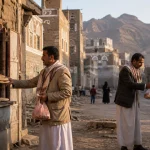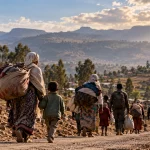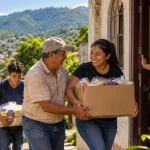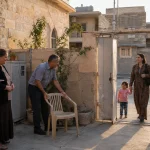


Across many countries, families are living through combinations of hunger, displacement, damaged health services, conflict, disease, lost livelihoods, unsafe water, weak shelter, and difficulty reaching humanitarian assistance. This ranking highlights ten countries where those pressures are especially severe in October 2026.
The purpose is not to turn suffering into a scoreboard. It is to help Christians pray with greater understanding for people living through widespread and life-disrupting humanitarian crises, while remembering that many countries outside the Top Ten also need sustained prayer and practical concern.
The strongest burdens in this month’s ranking are not identical. Some countries face famine risk or extreme food insecurity. Others combine hunger with mass displacement, armed conflict, disease outbreaks, damaged health systems, flooding, weak humanitarian access, or severe funding shortages.
What joins the Top Ten is the scale and depth of suffering, the number of people affected, the disruption to ordinary life, and the difficulty of delivering reliable relief.
A higher position does not mean that the suffering of one country matters more to God than the suffering of another. The ranking is a comparative prayer tool based on current humanitarian severity, the scale of people affected, national disruption, recent urgency, difficulty of relief, and prayer-and-ministry relevance.
Movement between months can also reflect worsening conditions elsewhere. A country may fall in the ranking even while its own crisis remains severe.
What Changed Since the July 2026 Ranking
The October ranking shows both persistent crises and meaningful comparative movement since July.
Sudan remains at #1, with the humanitarian emergency continuing at extraordinary scale.
The Democratic Republic of the Congo rises from #3 to #2, reflecting the combined weight of conflict-driven displacement, acute food insecurity, weak services, and the additional public-health burden of the Ebola outbreak reported in September.
Yemen rises from #4 to #3 as hunger deepens and renewed displacement adds pressure to a population already weakened by years of conflict and economic hardship.
South Sudan rises from #5 to #4, with severe food insecurity, displacement, regional spillover, and collapsing humanitarian funding increasing the danger facing vulnerable communities.
The State of Palestine moves from #2 to #5. This does not signal that conditions have become mild. Food insecurity, displacement, damaged health services, shelter shortages, unsafe water and humanitarian-access constraints remain extremely serious. The movement reflects the comparative worsening and compounded burdens elsewhere in the Top Ten.
Afghanistan remains at #6. Severe food insecurity, economic hardship and repeated shocks continue to leave millions dependent on assistance.
Somalia rises from #8 to #7, with persistent hunger and malnutrition combined with concern about projected flooding and humanitarian funding shortfalls.
Myanmar rises from #9 to #8 as conflict, displacement, food insecurity and weakened access to essential services continue across several parts of the country.
Haiti falls from #7 to #9. Gang violence, displacement, hunger and acute child malnutrition remain deeply serious, but several countries above it currently show still broader or more compounded national humanitarian pressures.
Nigeria enters the Top Ten at #10, driven particularly by the scale of food insecurity and malnutrition projected during the 2026 lean season in the northeast and other vulnerable areas.
Venezuela leaves the Top Ten. Humanitarian needs remain real, but the current evidence points to a more bounded emergency than the ten countries ranked above it this month.
Ranking Method
How the countries were compared for this October humanitarian prayer ranking.
This ranking compares countries rather than simply listing places where suffering is severe. It gives particular attention to the breadth of humanitarian need, how deeply ordinary life has been disrupted, whether conditions are worsening or newly escalating, how difficult it is for relief to reach people, and whether the crisis has become nationally or regionally significant.
The assessment also distinguishes between a very large poor population and an acute humanitarian emergency. Ordinary poverty by itself does not place a country in this ranking.
Working Definition
What humanitarian crisis and severe suffering mean in this ranking.
What counts as humanitarian crisis and severe suffering?
For this ranking, a humanitarian crisis means a situation in which large numbers of people face serious threats to life, health, food security, shelter, safety or basic services, and where ordinary coping systems are no longer sufficient.
Severe suffering may include acute hunger, malnutrition, displacement, disease, loss of shelter, damaged health systems, unsafe water, conflict-related harm, livelihood collapse, or major obstacles to receiving humanitarian assistance.
The strongest cases usually combine several of these pressures at once.
Ranking Criteria
Six weighted criteria guide the comparative judgment.
- Humanitarian Severity — 25%How serious are the threats to life, health, food security, shelter and basic survival?
- Scale of Affected Population — 20%How many people are directly affected, displaced, hungry, malnourished, unsafe or dependent on assistance?
- Depth of National Disruption — 20%How severely have conflict, disaster, economic collapse, disease or institutional weakness disrupted ordinary life across the country?
- Current Urgency / Escalation — 15%Are conditions worsening, spreading, newly escalating or becoming more dangerous now?
- Difficulty of Relief — 10%How difficult is it for humanitarian agencies, churches, communities and families to reach people with food, water, shelter, health care or protection?
- Prayer-and-Ministry Relevance — 10%How strongly does the crisis call for sustained, informed Christian prayer for protection, justice, compassion, faithful witness and practical mercy?
Countries Considered in This Review
The comparison included the final ten and a wider group of serious humanitarian cases.
The comparison included the ten countries ultimately ranked, together with serious near-miss and wider comparator cases including Syria, Ethiopia, Chad, Ukraine, Mali, Bangladesh, Pakistan, Lebanon, Burkina Faso, Niger, the Central African Republic, Mozambique and Venezuela.
Several of these countries face profound suffering. Exclusion from the final ten does not mean that their humanitarian burdens are minor. It means that, on the combined criteria used for this particular October review, the final ten carried the stronger comparative case.
Top Ten Countries
The ten countries carrying the strongest combined humanitarian burden in this October review.
Sudan
A national emergency of extraordinary scale
Sudan continues to face one of the world’s gravest humanitarian emergencies. Conflict has driven mass displacement, hunger, loss of livelihoods, damaged services and severe barriers to humanitarian access. Millions remain exposed to acute food insecurity, and famine risk continues in parts of the country.
Sudan remains #1 because of the extraordinary combination of scale, severity, displacement, hunger and difficulty delivering assistance. Few current crises combine such a large affected population with such extensive disruption across multiple regions.
Stayed at #1. The core drivers that placed Sudan first in July remain severe. Continuing hunger, displacement and access constraints mean there is not enough evidence of broad improvement to move it lower.
Conflict-driven displacement and hunger continue to reinforce one another, while humanitarian agencies struggle to reach many communities consistently.
Families face repeated displacement, loss of income, damaged markets, weak health services and deep food insecurity. Even where aid can enter, the scale of need greatly exceeds what communities and humanitarian systems can easily meet.
Pray for protection of civilians, food for hungry families, safe humanitarian access, restraint among armed actors, restoration of local livelihoods, and faithful churches serving frightened and displaced communities.
Key current sources used: World Food Programme, Sudan emergency; World Food Programme, Food and Agriculture Organization and United Nations Children’s Fund joint food-security reporting.
Democratic Republic of the Congo
Conflict, displacement, hunger and disease converging
The Democratic Republic of the Congo faces prolonged conflict in the east, large-scale displacement, acute food insecurity, weak public services and serious disease pressures. The September Ebola outbreak added another major health burden to communities already living through insecurity and displacement.
The country rises to #2 because several humanitarian pressures are converging at once: conflict, displacement, hunger, disrupted services and an active disease outbreak affecting multiple health zones.
Rose from #3 to #2. The increase reflects the added public-health emergency alongside persistent conflict-related displacement and food insecurity.
The Ebola outbreak reported by the World Health Organization had reached 7,890 confirmed cases and 3,799 deaths as of September 23, across 63 health zones in seven provinces, while conflict and displacement continued to strain communities elsewhere.
People displaced by fighting often move into areas where food, shelter, sanitation and health services are already limited. Disease control becomes harder when insecurity interrupts travel, medical access and public-health response.
Pray for an end to attacks on civilians, protection for displaced families, effective Ebola treatment and containment, safe access for health workers, food for vulnerable households, and wisdom and courage for churches serving amid insecurity.
Key current sources used: World Food Programme, Democratic Republic of the Congo emergency; World Health Organization, Disease Outbreak News on the Ebola outbreak.
Yemen
Deepening hunger in a population worn down by prolonged conflict
Yemen continues to face widespread food insecurity, economic hardship, displacement and weakened public services after years of conflict. Recent displacement has added pressure to communities already struggling to afford basic food and necessities.
Yemen ranks #3 because hunger is again worsening within a long-running emergency where many families have exhausted their financial and social coping options.
Rose from #4 to #3. The movement reflects renewed concern about worsening hunger and new displacement while the underlying structural crisis remains unresolved.
Food insecurity is worsening at the same time that renewed conflict-related displacement is pushing more families away from homes, income and local support networks.
Long-term economic weakness means even families not directly displaced can struggle to buy food, medicine, fuel and other necessities. Funding shortages further reduce the ability of humanitarian agencies to maintain assistance at the scale required.
Pray for food for hungry households, protection for displaced families, economic relief, unhindered humanitarian access, restraint among political and armed actors, and strength for churches and believers serving quietly amid hardship.
Key current sources used: World Food Programme reporting on surging hunger and displacement in Yemen.
South Sudan
Severe hunger meeting a dangerous collapse in relief capacity
South Sudan continues to face very high levels of acute food insecurity and malnutrition, displacement, localized violence, climate shocks and pressure from people arriving from neighboring Sudan.
It ranks #4 because severe humanitarian need is being compounded by shrinking humanitarian resources. The danger is not only that many people need help, but that the system meant to reach them is becoming less able to do so.
Rose from #5 to #4. The rise reflects the combination of persistent hunger and malnutrition with worsening concern about humanitarian funding and relief capacity.
Millions face serious food insecurity while humanitarian agencies warn that growing needs and collapsing funding are creating one of the country’s most dangerous humanitarian moments.
Families already weakened by hunger face repeated shocks from flooding, conflict, displacement and high food costs. Cuts to assistance can quickly become life-threatening in communities with few alternative sources of food or medical care.
Pray for food and nutrition support, protection from violence, sufficient humanitarian funding, wisdom for national and local leaders, peace between communities, and resilient churches caring for displaced and hungry neighbors.
Key current sources used: World Food Programme reporting on acute hunger and malnutrition in South Sudan; World Food Programme reporting on rising needs and collapsing humanitarian funding.
State of Palestine
Extreme humanitarian strain despite a lower comparative rank
The State of Palestine remains in a severe humanitarian emergency, especially in Gaza. Food insecurity, repeated displacement, damaged health facilities, overcrowded shelter, unsafe water, sanitation problems and limits on humanitarian access continue to affect a very large share of the population.
It remains in the Top Five because the intensity of suffering is still extreme. Its move to #5 reflects relative movement in the overall comparison rather than a conclusion that the humanitarian situation has become safe or normal.
Fell from #2 to #5. The change is comparative. Sudan remains exceptionally severe, while the Democratic Republic of the Congo, Yemen and South Sudan have accumulated additional or worsening pressures. Gaza’s humanitarian conditions nevertheless remain devastating.
Health services remain badly damaged, large numbers of people remain displaced, and families continue to face shortages involving food, shelter, water and sanitation.
Displacement has repeatedly disrupted family life and access to health care. The health system remains under intense strain, while shelter and water conditions increase risks for already vulnerable people.
Pray for protection of civilians, adequate food and clean water, functioning hospitals, safe shelter, humanitarian access, restraint and justice, comfort for bereaved families, and faithful Christian witness that refuses both hatred and indifference.
Key current sources used: World Food Programme, Palestine emergency; World Health Organization remarks on humanitarian access and health in Gaza, 24 September 2026; United Nations Office for the Coordination of Humanitarian Affairs, humanitarian situation report, 25 September 2026.
Afghanistan
Large-scale need amid poverty, repeated shocks and reduced assistance
Afghanistan continues to face widespread food insecurity, poverty, livelihood weakness and repeated shocks that leave millions of people dependent on humanitarian assistance.
The crisis remains large and persistent, but the current comparative evidence places the compounded emergencies above it at greater immediate severity.
Stayed at #6. Afghanistan remains in roughly the same comparative position because its humanitarian pressures remain severe without the same new escalation seen in several countries that moved above it.
Millions of households continue to struggle to meet basic food needs while reduced humanitarian resources limit the assistance available.
Families with few savings or employment opportunities are highly vulnerable to food-price changes, weather shocks and reductions in aid. Women-headed households and other vulnerable groups may face particularly difficult barriers to income and assistance.
Pray for food and livelihood support, protection for vulnerable families, mercy for communities affected by repeated shocks, wisdom for those providing assistance, and courage and provision for Afghan Christians living under pressure.
Key current sources used: World Food Programme, Afghanistan emergency.
Somalia
Persistent hunger with flooding and funding risks ahead
Somalia continues to face serious food insecurity and malnutrition after years of conflict, climate shocks and weak livelihoods. Current assessments also warn about projected flooding and humanitarian funding shortages.
Somalia rises because its existing hunger burden is being joined by additional near-term risks that could worsen food access, displacement and disease exposure.
Rose from #8 to #7. The movement reflects persistent malnutrition and hunger together with concern about the October–December period, including projected flooding and reduced humanitarian resources.
Food insecurity and malnutrition remain severe, while anticipated flooding threatens to disrupt homes, agriculture, roads and humanitarian access in vulnerable areas.
Repeated drought and flood cycles have weakened household resilience. Families displaced by climate shocks or insecurity can lose livestock, crops, shelter and access to clean water in rapid succession.
Pray for sufficient rain without destructive flooding, food for vulnerable households, protection from disease, safe humanitarian access, peace in conflict-affected areas, and strength for churches and believers serving amid insecurity.
Key current sources used: World Food Programme reporting on continuing hunger and malnutrition, projected flooding and humanitarian funding shortages in Somalia.
Myanmar
Conflict and displacement continue to erode everyday security
Myanmar faces continuing armed conflict, displacement, food insecurity, disrupted livelihoods and weakened access to essential services across several parts of the country.
It ranks #8 because the humanitarian burden remains wide and serious, with conflict continuing to prevent many families from returning safely to stable homes and livelihoods.
Rose from #9 to #8. The movement reflects continued displacement and food insecurity while other comparator countries show relatively more bounded humanitarian pressure.
Conflict continues to push people from their homes and disrupt food production, transport, markets and basic services.
Displaced communities may struggle to obtain food, medical care and safe shelter, particularly where fighting or restrictions make humanitarian access difficult.
Pray for protection of civilians, an end to attacks and displacement, food and shelter for uprooted families, safe access for humanitarian workers, justice with restraint, and courage for Christians and churches serving divided communities.
Key current sources used: World Food Programme, Myanmar emergency.
Haiti
Violence, displacement, hunger and child malnutrition remain severe
Haiti continues to face a major humanitarian crisis shaped by armed gang violence, displacement, hunger, weak public services and acute malnutrition among children.
Haiti remains in the Top Ten because violence and displacement continue to undermine access to food, health care, schooling and safe shelter. It ranks below several other countries where the current crisis is broader across the whole national system or affects a still larger share of the population.
Fell from #7 to #9. This is a comparative decline, not evidence that Haiti’s crisis has ended. The humanitarian burden remains severe, but Somalia and Myanmar move above it in the October comparison.
Violence continues to displace families and restrict movement, while hunger and child malnutrition remain major concerns. Current child-malnutrition figures used in this review refer to the June 2026–May 2027 projection period, not a single October point-in-time count.
Families fleeing violence may lose income, schooling and health access at the same time. Humanitarian work is made more difficult by insecurity, damaged institutions and barriers to moving safely through affected areas.
Pray for protection from violence and kidnapping, food for hungry families, treatment for malnourished children, restoration of public order without abuse, wise leadership, and churches that remain places of refuge, truth and practical mercy.
Key current sources used: World Food Programme, Haiti emergency; United Nations Children’s Fund reporting on projected acute child malnutrition amid continuing violence.
Nigeria
A vast food-security burden brings Nigeria into the Top Ten
Nigeria faces severe food insecurity and malnutrition affecting millions of people, especially in the northeast and other conflict-affected or economically vulnerable areas.
Nigeria enters at #10 because the projected scale of hunger is too large to treat as a secondary concern, even though the crisis is less nationally uniform than in several countries ranked above it.
New entrant. Nigeria replaces Venezuela in the Top Ten because the scale of projected 2026 food insecurity and malnutrition creates the stronger current humanitarian case.
Nearly 35 million people are projected to face acute food insecurity during the 2026 lean season. This figure is a seasonal projection and should not be read as an October point estimate.
Conflict, displacement, high food costs, livelihood weakness and malnutrition leave many households with little room to absorb another shock. Conditions differ greatly across the country, but needs in the hardest-hit areas are severe.
Pray for food and nutrition support, protection of farming and displaced communities, safer access to markets and aid, peace in conflict-affected regions, honest and effective leadership, and churches equipped to serve vulnerable neighbors.
Key current sources used: World Food Programme, Nigeria emergency.
Near-Miss / Watchlist Countries
Five countries remain close enough to the threshold to deserve sustained prayer and attention.
Syria remains a major humanitarian concern after years of conflict, displacement and economic hardship. It stays just outside the final ten because the current comparative evidence places the ranked countries under still stronger combinations of acute hunger, national disruption or rapidly worsening pressures.
Ethiopia faces serious humanitarian needs linked to conflict, displacement, food insecurity and climate pressure. Comparable current data remain uneven across affected areas, so the absence of a higher rank should not be mistaken for evidence of broad improvement.
Chad is under heavy pressure from domestic food insecurity, malnutrition, displacement and the arrival of people fleeing the Sudan crisis. Eastern Chad in particular faces substantial strain on already limited services and humanitarian capacity.
Ukraine continues to face a major war-driven humanitarian emergency involving civilian harm, displacement and damaged infrastructure. It remains outside the final ten because national systems and international support retain greater functioning capacity than in several countries ranked above it, even while suffering remains severe.
Mali continues to face conflict, displacement, food insecurity, malnutrition and difficult humanitarian access in affected regions. The burden is serious but, in this month’s comparison, falls below the combined scale and severity of the final ten.
Final Summary Judgment
What the final ordering says about the October humanitarian burden.
The October 2026 ranking is led by countries where humanitarian suffering is both extremely severe and difficult to relieve.
Sudan remains the clearest #1 because of the enormous combined burden of displacement, hunger and disrupted access. The Democratic Republic of the Congo rises because conflict and hunger are now compounded by a major Ebola outbreak. Yemen and South Sudan move upward as hunger, displacement and weakened humanitarian capacity become still more dangerous.
The State of Palestine remains among the most severe crises despite moving lower in the comparative ranking. Afghanistan remains persistently burdened. Somalia and Myanmar move upward because existing humanitarian needs are being reinforced by additional risks and continued displacement. Haiti remains deeply serious despite falling comparatively, while Nigeria enters because of the projected scale of food insecurity during the 2026 lean season.
No ranking can capture every form of suffering. These ten countries should therefore be treated as focused prayer priorities, not as the only nations worthy of attention.
How to Pray Through This List
Use the ranking as a pathway into specific, compassionate and biblically serious prayer.
Pray for people whose immediate survival is threatened. Ask God to provide food, clean water, shelter, medicine and safe places for families living through acute need.
Pray for displaced people. Ask for protection, safe return where possible, dignified shelter where return is not yet possible, and restoration of livelihoods.
Pray for children, older people and people with disabilities. Ask for special protection for those who are most vulnerable when food, health care and shelter become scarce.
Pray for humanitarian access. Ask that roads, borders, checkpoints and political decisions would not prevent life-saving assistance from reaching communities in need.
Pray for peace, restraint and justice. Where conflict drives humanitarian suffering, ask God to restrain violence, protect civilians, expose wrongdoing and give leaders courage to pursue just peace.
Pray for health workers and relief workers. Ask for protection, endurance, adequate resources and wisdom for those responding to disease, hunger, displacement and trauma.
Pray for churches and Christians in affected countries. Ask that they would serve neighbors with courage, compassion and integrity, refusing hatred while bearing faithful witness to Christ.
Pray with hope rather than despair. Give thanks for every life protected, every family fed, every outbreak contained, every act of reconciliation, every faithful local church and every open path for mercy.
Key Sources Consulted
Direct institutional reporting and the previous public ranking used to support the October comparison.
- World Food Programme and Food and Agriculture Organization, Hunger Hotspots reporting used for current and projected food-security risk across several crisis countries.
- Global Report on Food Crises 2026 used for wider comparative context on acute food insecurity and malnutrition.
- World Food Programme, Sudan emergency reporting on displacement, hunger and humanitarian access.
- World Food Programme, Food and Agriculture Organization and United Nations Children’s Fund joint reporting on continuing famine risk and acute food insecurity in Sudan.
- World Food Programme, Democratic Republic of the Congo emergency reporting on conflict-driven hunger and displacement.
- World Health Organization, Disease Outbreak News reporting on the Democratic Republic of the Congo Ebola outbreak, including figures reported as of September 23, 2026.
- World Food Programme reporting on surging hunger and displacement in Yemen.
- World Food Programme reporting on acute food insecurity and malnutrition in South Sudan and reporting on rising needs amid collapsing humanitarian funding.
- World Food Programme, Palestine emergency reporting on food insecurity and humanitarian need.
- World Health Organization remarks of 24 September 2026 on Gaza’s damaged health system, displacement and limited hospital functionality.
- United Nations Office for the Coordination of Humanitarian Affairs, humanitarian situation report of 25 September 2026 on Gaza, including shelter, water, sanitation and humanitarian-access conditions.
- World Food Programme, Afghanistan emergency reporting on food insecurity, poverty and humanitarian need.
- World Food Programme reporting on Somalia covering continuing hunger and malnutrition, projected flooding and humanitarian funding shortages.
- World Food Programme, Myanmar emergency reporting on displacement, food insecurity and humanitarian access.
- World Food Programme, Haiti emergency reporting on hunger, displacement and the effects of violence.
- United Nations Children’s Fund reporting on projected acute child malnutrition in Haiti during the June 2026–May 2027 period.
- World Food Programme, Nigeria emergency reporting used for the 2026 lean-season food-insecurity projection.
- World Food Programme country reporting used for comparison of Syria, Bangladesh, Pakistan, Ethiopia and Venezuela, together with the broader global food-crisis sources above.
- World Food Programme, Chad reporting on acute hunger, malnutrition, refugee pressure from the Sudan conflict and strain on already limited services.
- World Food Programme, Ukraine emergency reporting on war-driven displacement, damaged infrastructure, humanitarian need and assistance in frontline areas.
- World Food Programme, Mali emergency reporting on conflict, displacement, acute food insecurity, malnutrition and restricted humanitarian access.
- Pray and Pray Nations Prayer Directory, July 2026 humanitarian Top Ten ranking used as the movement baseline for this October review.
Closing Prayer Invitation
Continue praying
Continue praying for the nations
Use this list as one doorway into a wider rhythm of prayer for the nations.