

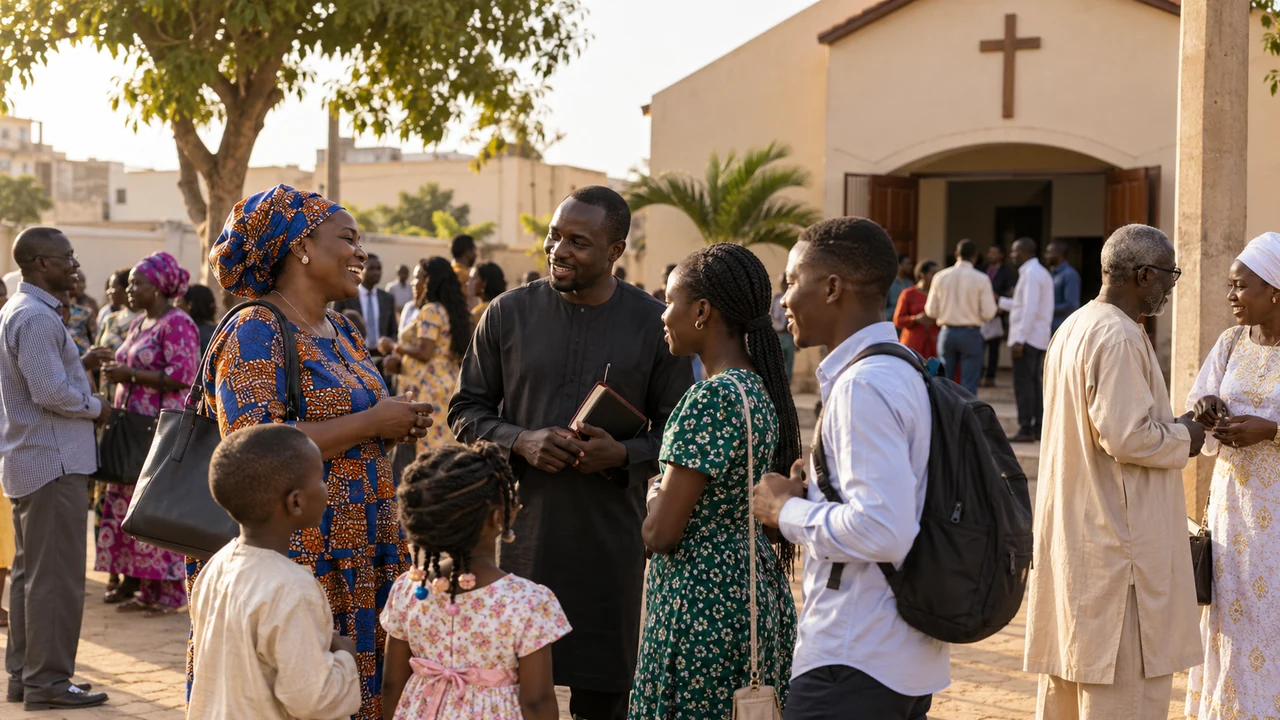
Senegal has long been known for relative political stability and peaceful relations between religious communities in a region that has experienced repeated instability. Muslims form the overwhelming majority of the population, while Christians are a small minority who generally have freedom to worship and take part in public life.
These are real reasons for gratitude, but Senegal still needs prayer. Christians need grace to know Christ through His Word and follow Him faithfully, churches need courage and sound biblical teaching, and many people still need to hear and believe the gospel. Families are also facing economic pressure, food insecurity, limited opportunities for many young people, dangerous migration routes, the exploitation of vulnerable children, and the continuing need for reconciliation and recovery in Casamance.
Prayer Burden at a Glance
Pray for believers in Senegal to remain grounded in Scripture and to speak about Christ with courage, humility, and love in a predominantly Muslim society. Ask God to strengthen churches to teach the gospel clearly and disciple believers faithfully. Pray for honest and wise leadership as Senegal faces heavy public debt and economic pressure, for struggling households not to carry an unfair share of the costs of economic reform, for lasting peace in Casamance, for dignified opportunities for education and work for young people, and for migrants and vulnerable children to be protected from exploitation and harm.
Last verified: October 4, 2026
Why Senegal Needs Prayer Now
Senegal’s relative stability can make serious needs easier to overlook: many people still need the gospel, families face the effects of heavy public debt and food insecurity, many young people struggle to find dignified work, dangerous migration continues, and reconciliation and recovery in Casamance are not yet complete.
The country faces serious financial pressure after previously misreported public liabilities came to light. The government is pursuing economic reforms while working with the International Monetary Fund and creditors over Senegal’s debt. As of October 4, 2026, IMF Executive Board approval and negotiations with external creditors were still unresolved.
For Senegalese households, the concern is not simply the size of the national debt. Government decisions can affect food prices, employment, public services, education, household costs, and support for vulnerable people. Senegal needs leaders who tell the truth about public finances, resist corruption and waste, make difficult choices wisely, and do not place an unfair share of the cost on families already struggling.
Food insecurity is one clear sign of this hardship. More than 836,000 people were estimated to face crisis or emergency levels of food insecurity during the 2026 lean season. Rural poverty, climate-related shocks, limited ways to earn a reliable income, and the cost of nutritious food continue to affect many households.
Senegal also has a very young population. The 2023 census counted about 18.1 million people, with roughly three quarters under the age of 35. Education, work, family stability, Christian discipleship, and hope among younger Senegalese therefore matter greatly for the country’s future. When worthwhile opportunities are hard to find, dangerous migration can appear to offer another path.
The Atlantic route toward the Canary Islands continues to expose people to drowning, exploitation, trafficking, and separation from family. Christians should pray not only for people making these dangerous journeys, but also for communities in which more young people can find dignified work, support their families, and build their futures in Senegal.
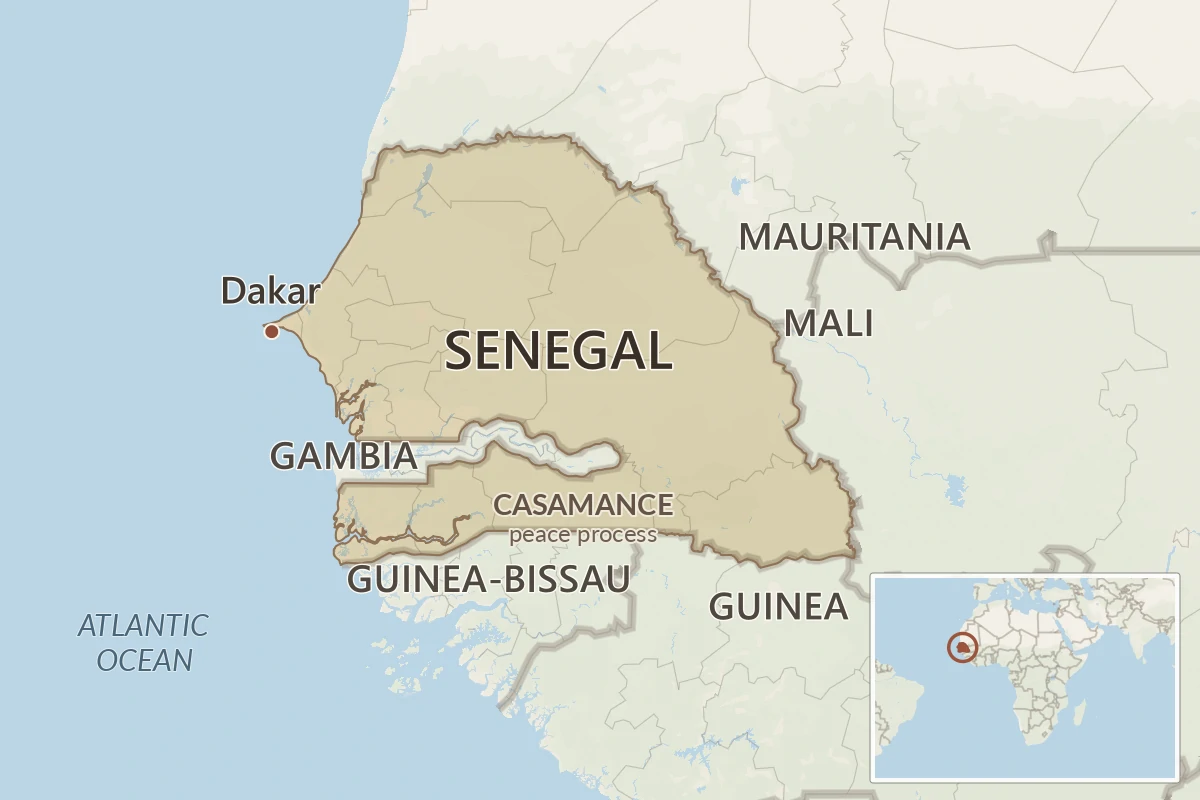
In Casamance, decades of separatist conflict have given way to stronger hopes for lasting peace. Yet peace needs to be seen in safe villages, cleared land, restored livelihoods, working public services, trust between communities, and a lasting rejection of violence.
Above all, Senegal needs the gospel. Political stability, economic recovery, and social peace are genuine goods, but they cannot reconcile sinners to God. Pray that many Senegalese would hear the good news of Jesus Christ clearly, repent, and trust in Him alone for salvation.
Country Snapshot
A brief orientation to Senegal’s people, leadership, religious setting, and current national concerns.
The most recent comprehensive religious-demography figures available for Senegal are from 2023. They estimated that about 97.2% of the population was Muslim and approximately 2.7% Christian. These figures should therefore be read as a dated baseline rather than as new measurements for 2026.
Islam strongly influences Senegal’s religious life, including through influential Sufi traditions. Christians live as a small minority within that wider society. Peaceful relations between religious communities are an important public good, while peaceful coexistence should not be confused with agreement about spiritual truth.
For Christians, freedom brings both opportunity and responsibility. Believers can worship, teach, serve their neighbours, and speak about Christ without the severe state pressure experienced by Christians in many other countries. Pray that they will use this freedom for faithful worship, discipleship, mercy, and gospel witness.
Spiritual and Practical Challenges Affecting Christians and Churches
Senegalese Christians need courage, growing knowledge of Scripture, faithful discipleship, practical care for families facing financial hardship, and compassionate concern for vulnerable children.
Faithful witness as a small minority
Many Senegalese Christians live, work, study, trade, and raise families among Muslim neighbours. Their witness therefore takes place not only through church ministry but also through everyday life in homes, workplaces, schools, markets, and neighbourhoods.
They need courage without hostility and gentleness without silence. Fear can make Christians reluctant to speak about Christ, while careless or combative speech can damage relationships. Pray for believers who want both to love their neighbours sincerely and to speak truthfully about Jesus.
Clear gospel teaching and growing knowledge of Scripture
Freedom to gather does not guarantee spiritual maturity. Churches need pastors and teachers who explain Scripture faithfully and keep the person and finished work of Christ at the centre. People who identify as Christian should not be assumed to possess saving faith simply because of family background, church membership, baptism, ceremony, or denominational identity.
Pray that congregations would call people clearly to repentance and faith in Christ, teach believers to know Scripture for themselves, and resist teaching that replaces the gospel with religious identity, human effort, promises of material prosperity, or mixtures of Christian teaching with beliefs that contradict Scripture.
Discipling children and young adults
Senegal’s youthful population makes the discipleship of younger generations especially important. Young believers need more than occasional church attendance. They need mature Christians who can teach them Scripture, answer difficult questions, model godly relationships and family life, and help them think biblically about education, work, money, sexuality, migration, integrity, and responsibility.
Pray for churches to raise up younger leaders patiently, giving attention not only to ability but also to Christian character, biblical understanding, and spiritual maturity.
Economic pressure on Christian households
Christians share many of the same economic burdens as their neighbours. Food costs, uncertain employment, poverty, and pressure to migrate can strain marriages, interrupt education, separate families, and reduce the resources available for ministry and practical care.
Churches therefore need wisdom to help people in real need without turning the gospel into a promise of wealth or material success. Pray for congregations marked by honest work, generosity, contentment, mutual care, and patient trust in God.
Protecting vulnerable children
Abuse and forced begging affecting some talibé children in Quranic schools have repeatedly raised serious child-protection concerns.
This should not become a sweeping accusation against Senegalese Muslims or all Quranic schools. It should lead Christians to pray carefully and compassionately: for exploited children, for families and religious leaders to protect children responsibly, for fair enforcement of child-protection laws, and for practical care for children living or begging on the streets.
Pray that Christian concern for vulnerable children will be seen in practical acts of mercy as well as in words.
Christian Life and Witness in Senegal
Christian witness in Senegal is often lived out through ordinary faithfulness: clear biblical teaching, neighbourly love, honest work, practical mercy, and respectful confidence in Christ.
Christian communities in Senegal worship and serve as a small minority within a society shaped overwhelmingly by Islam.
There is active Protestant congregational life in Dakar, Saint-Louis, Casamance, and elsewhere. The Église Protestante du Sénégal, which describes itself as Reformed, has reported continuing ministry and the opening of a parish in Bignona in March 2026. These developments show real opportunities for worship, Bible teaching, fellowship, evangelism, and pastoral care.
For many believers, however, Christian witness is seen most clearly in ordinary life. It is seen when an employee refuses dishonesty, when a family welcomes neighbours warmly, when a young Christian remains faithful under social pressure, when a congregation helps someone in need, or when a believer explains hope in Christ respectfully to a friend.
Senegal’s history of peaceful Muslim-Christian relations gives believers room for this kind of patient witness. Christians can live peaceably alongside Muslim neighbours, work together on community concerns, and show practical kindness without pretending that Christianity and Islam teach the same things about God, Jesus Christ, sin, salvation, or Scripture.
Churches therefore need both biblical clarity and genuine love for their neighbours. Believers should be equipped to answer questions about their faith without embarrassment, arrogance, or unnecessary offence.
They also need protection from errors that can weaken Christian life from within: shallow Bible teaching, prosperity promises, syncretism, religious formalism, and pressure to value social acceptance more highly than faithfulness to Christ.
Pray for Christians to be known as good neighbours and faithful disciples: honest in work, compassionate toward the poor, protective of children, faithful in marriage and family life, peaceable in their communities, respectful toward people of other faiths, and ready to explain the hope they have in Christ.
Recent Developments
Leadership change, debt negotiations, food insecurity, peacebuilding in Casamance, and dangerous migration routes all give Christians specific reasons to pray for Senegal now.
-
May–June 2026
Change of government
President Bassirou Diomaye Faye dismissed Prime Minister Ousmane Sonko on May 22, 2026 and dissolved the government. Ahmadou Al Aminou Mohamed Lo was appointed prime minister on May 25, and a new government was formed on June 1.
Prayer significance: Pray that political disagreements will be handled lawfully and peacefully and that those in office will put public service ahead of personal or factional interests.
-
September–October 2026
Debt and economic reform
On September 1, 2026, International Monetary Fund staff and Senegalese authorities reached a staff-level agreement on policies that could support a 36-month Extended Credit Facility arrangement of about US$2.2 billion. As of October 4, the arrangement still required IMF Executive Board approval. Senegal was also pursuing external debt treatment through the G20 Common Framework, while discussions with creditors were still under way.
Prayer significance: Pray for honest accounting, wise negotiations, responsible borrowing, protection of essential public services, and reforms that do not leave poorer households carrying an unfair share of the cost.
-
2026 lean season
Food and livelihoods under pressure
More than 836,500 people were estimated to face crisis or emergency food insecurity during the 2026 lean season. Behind that number are households trying to afford food, farmers affected by climate-related shocks, and families living with uncertain incomes.
Prayer significance: Pray for effective help, good harvests where needed, honest markets, and compassionate care for people facing hunger.
-
2025–2026
Peace in Casamance
The peace process in Casamance gives real reason for cautious thanksgiving. Following the peace agreement announced in 2025, government efforts in 2026 continued to include demining, security, infrastructure, public services, economic recovery, and implementation of the Plan Diomaye for Casamance.
Prayer significance: Pray for communities to live without fear, for land to become safe to use again, for livelihoods to recover, and for grievances to be addressed without renewed violence.
-
2026
Dangerous Atlantic migration continues
People continued to travel from or through Senegal toward the Canary Islands during 2026. People migrate for different reasons, and no single explanation fits every journey. Economic pressure and limited opportunities can, however, make dangerous routes appear worth the risk.
Prayer significance: Pray for people considering such journeys, for families separated by migration, for protection from trafficking and exploitation, and for conditions in Senegal that allow more young people to find dignified work and build meaningful lives at home.
How to Pray
Pray for people to hear and believe the gospel, for faithful churches, honest leadership, mercy for struggling families, lasting peace in Casamance, and hope for Senegal’s young people.
-
Pray for the clear proclamation of the gospel. Ask God to strengthen churches that teach His Word faithfully. Pray that Senegalese men, women, and young people would hear the gospel clearly, repent of sin, and trust in Jesus Christ alone for salvation.
-
Pray for faithful Christian witness among Muslim neighbours. Ask God to give believers courage without hostility, love without compromise, and wisdom to speak about Christ naturally in families, friendships, workplaces, schools, and communities.
-
Pray for pastors, churches, and younger believers. Ask God to raise up faithful pastors, teachers, elders, evangelists, parents, and mentors who can ground younger Christians in Scripture and prepare them for mature service in church, family life, work, and society.
-
Pray for Senegal’s national leaders. Pray for President Bassirou Diomaye Faye, Prime Minister Ahmadou Al Aminou Mohamed Lo, and others in public office to govern with honesty, wisdom, restraint, and concern for the common good. Ask God to expose corruption and give leaders courage to speak truthfully about public finances.
-
Pray for households facing poverty, food insecurity, and economic pressure. Ask God to provide food and work, strengthen families, bless honest livelihoods, and guide economic reforms so that vulnerable people are protected rather than made to carry an unfair share of the cost.
-
Pray for lasting peace in Casamance. Ask God to help communities rebuild trust, enable effective demining, restore farms and livelihoods, strengthen trustworthy local leadership, improve services, and prevent a return to armed conflict.
-
Pray for young people, migrants, and vulnerable children. Ask God to create dignified opportunities for younger Senegalese, protect people from dangerous migration routes and trafficking, strengthen families, and bring justice and compassionate care to children vulnerable to exploitation or forced begging.
Give Thanks
Senegal’s needs are real, but there are also specific mercies for which Christians can give thanks.
-
Give thanks for freedom to worship and gather. Christian communities have opportunities to teach Scripture, pray, serve others, and speak about Christ openly.
-
Give thanks for peaceful relations between many Muslim and Christian neighbours. Pray that Christians will use this peace to love others sincerely while remaining clear about the gospel.
-
Give thanks for congregations where Christ is faithfully proclaimed, Scripture is taught, and believers are discipled.
-
Give thanks for progress toward peace in Casamance. Give thanks for efforts to clear mines, rebuild communities, improve security, and restore livelihoods.
-
Give thanks for Senegal’s many children and young adults. Thank God for their lives and gifts, and pray that families, churches, schools, and communities will help them grow in wisdom, useful skills, and faithful service.
-
Give thanks for people who protect and serve vulnerable families and children. Pray that this work will bring justice for abused children and lasting protection from exploitation.
Last Verified / Update Note
This note helps readers understand when the guide was reviewed and which developments may affect prayer for Senegal after the review date.
Review Status
Reviewed for current prayer use
This guide reflects an October 4, 2026 review of Senegalese government material, national census data, International Monetary Fund information, food-security and migration sources, religious-freedom reporting, church-life evidence, and current developments affecting leadership, public debt, Casamance, livelihoods, migration, and Christian witness.
Developments to watch include Senegal’s external debt-treatment process and any later International Monetary Fund Executive Board action, outcomes from creditor engagement after the scheduled October 6 briefing, changes in food-security conditions, migration patterns, continuing peacebuilding and demining in Casamance, and material changes in national leadership or public policy that could significantly change how Christians pray for Senegal.
Help keep this guide accurate and current
If you noticed a possible correction, broken link, or significant country update, please contact the Nations Prayer Directory so we can review it carefully.
Key Sources Consulted
Sources that materially informed this Senegal prayer guide, including Senegalese government and national sources, current economic and humanitarian sources, religious-freedom and church-life sources, and independent reporting on the May 2026 government transition.
Official Senegalese government and national sources
- Presidency of Senegal. “Composition of the New Government,” June 1, 2026. Used to verify Ahmadou Al Aminou Mohamed Lo’s appointment as Prime Minister on May 25 and the composition of the government formed on June 1.
- Government of Senegal / Primature. Current Government listing. Used to confirm that Ahmadou Al Aminou Mohamed Lo remains Prime Minister.
- Ministry of Economy, Finance and Planning. Senegal Debt Treatment Plan, September 1, 2026. Used for the Government of Senegal’s explanation of its debt-treatment strategy, fiscal objectives, creditor engagement, and social and investment priorities.
- Ministry of Economy, Finance and Planning. External Creditors Virtual Meeting, September 30, 2026. Used for the current official timetable and purpose of the October 6 creditor briefing.
- Presidency / Government of Senegal. Council of Ministers, September 10, 2026. Used for current government priorities in Casamance, including implementation of the Plan Diomaye, demining, village security, essential services, and infrastructure.
- Presidency of Senegal. Council of Ministers, February 26, 2025. Used for the February 2025 Casamance peace agreement and the government’s stated commitment to lasting peace and economic and social recovery.
- Agence Nationale de la Statistique et de la Démographie. 2023 Census Results. Used for Senegal’s population of about 18.1 million and the finding that approximately 75% of residents were under 35.
- Presidency of Senegal. Audience with the Episcopal Conference of Senegal, May 29, 2026. Used as current national evidence of dialogue between public authorities and Christian religious leaders.
Current economic and humanitarian sources
- International Monetary Fund. Staff-Level Agreement with Senegal, September 1, 2026. Used for the proposed 36-month Extended Credit Facility arrangement, its approximate US$2.2 billion size, its reform objectives, and the fact that the agreement remained subject to further approval and financing assurances.
- International Monetary Fund. Press Briefing, October 1, 2026. Used for the latest verified status of Senegal’s G20 Common Framework process, creditor engagement, October 6 briefing, and the absence of a timetable for Executive Board consideration.
- World Food Programme. Senegal country page. Used for the estimate that more than 836,500 people faced crisis or emergency food insecurity during the 2026 lean season and for the broader food-security context.
- International Organization for Migration, Displacement Tracking Matrix. Movements to the Canary Islands, April–May 2026. Used to establish continuing maritime migration activity from or through Senegal and associated movement patterns without assuming a single motive for every migrant.
Religious freedom, church life, and vulnerable children
- U.S. Department of State. 2023 International Religious Freedom Report: Senegal. Used as a dated baseline for religious demography, constitutional religious freedom, peaceful relations between religious communities, and documented concerns involving exploitation of some talibé children.
- U.S. Department of State. Trafficking in Persons Report: Senegal. Used to strengthen the evidence concerning forced child begging and trafficking risks affecting some talibé children while avoiding any suggestion that all Quranic schools or teachers are implicated.
- Église Protestante du Sénégal. Inauguration of the Bignona Parish, March 2026. Used as first-party evidence of current Protestant church life and ministry in Casamance, alongside congregational connections with Dakar and Saint-Louis.
- Holy See. Address to Senegalese Muslim leaders and Catholic representatives, May 9, 2026. Used as current evidence of Senegal’s public tradition of peaceful relations between religious communities. It is not used to imply theological equivalence between Christianity and Islam.
Independent reporting on the May 2026 government transition
- Reuters report carried by MarketScreener. May 2026 government dismissal and dissolution. Used to verify that Ousmane Sonko was dismissed and the government dissolved on May 22, before Ahmadou Al Aminou Mohamed Lo’s May 25 appointment.
Source Context
How to read the sources behind this guide when debt negotiations, migration, humanitarian conditions, religious demography, and peacebuilding remain time-sensitive or require careful interpretation.
Source Context
- Debt and economic reform. Senegalese government sources are used for the government’s own stated debt strategy and priorities. International Monetary Fund sources are used separately for the Fund’s assessment, lending requirements, and current procedural status. Readers should distinguish the government’s stated priorities from the IMF’s assessment and procedural requirements.
- Current debt status. As of October 4, 2026, the staff-level agreement had not yet received International Monetary Fund Executive Board approval. Creditor engagement under the G20 Common Framework was continuing, and the October 6 creditor briefing had not yet taken place. The debt process was therefore still active and unsettled, and its outcome could not yet be stated with certainty.
- Religious demography. The 97.2% Muslim and approximately 2.7% Christian figures come from a 2023 religious-freedom report and should be read as a dated baseline. More recent 2026 government, church, and religious sources provide the present-day evidence concerning worship, church activity, public dialogue, and religious coexistence.
- Christian communities. The Église Protestante du Sénégal provides first-party evidence about its own congregational life. That evidence should not be taken as representative of the size, health, or theology of every Protestant or professing Christian community in Senegal.
- Religious coexistence. Peaceful Muslim-Christian relations are a civic good for which Christians may be thankful. That peace does not mean that Christianity and Islam teach the same gospel or offer the same way of salvation.
- Talibé children. Sources document serious forced-begging and exploitation concerns involving some Quranic schools and teachers. These reports should not be taken as an accusation against all daaras, Quranic teachers, or Senegalese Muslims.
- Migration. International Organization for Migration monitoring establishes that maritime departures and preparations continued during 2026. It does not establish one motive for every traveller. Economic hardship may be one factor, but it should not be treated as the reason for every migrant’s decision.
- Casamance. Government sources document both the 2025 peace agreement and continuing 2026 work on demining, security, infrastructure, services, and economic recovery. These developments show real progress. Casamance is not an active nationwide war, but reconciliation and recovery are not yet complete.
A Closing Prayer for Senegal
A concise prayer bringing Senegal’s present needs before the Lord.